

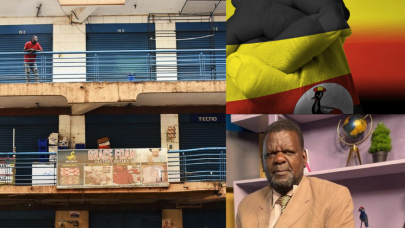
Kampala Traders Shut Shops Over URA Taxes as KACITA’s Issa Sekitto leads Protest.
By; Ibrahim Kigozi G|
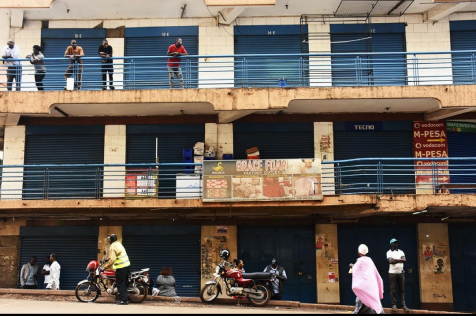
Business activities in downtown Kampala were disrupted on Tuesday, November 17, 2026, as traders under the Kampala City Traders Association (KACITA) closed their shops in protest against what they describe as excessive taxation, frustrating customs procedures and the rising cost of doing business in Uganda.
In a scene highlighting growing frustration within the business community, KACITA spokesperson Issa Sekitto was seen walking through downtown Kampala as traders kept their business premises closed in protest against the Uganda Revenue Authority (URA).
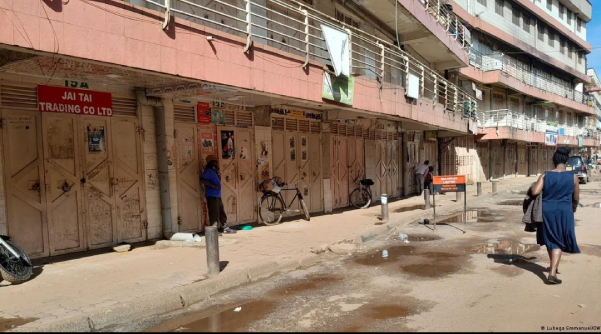
The normally busy commercial streets, characterised by wholesalers, retailers, shoppers and merchandise deliveries, presented a different picture as several shopping arcades and business centres remained unusually quiet.
The industrial action follows unsuccessful attempts by KACITA leadership to engage URA Commissioner General John Musinguzi over concerns surrounding tax administration, customs clearance and the handling of imported merchandise.
Among the traders’ major complaints are high tax assessments on imported goods, prolonged delays in clearing containers, alleged unfair enforcement practices and additional storage charges that continue accumulating while merchandise remains uncleared.
Traders argue that these challenges are increasing operational costs, affecting cash flow and threatening the survival of small and medium-sized businesses.
The association has particularly raised concerns over changes in cargo clearance procedures, including the transition from the PB4 system to WT8, which traders say have complicated the importation process.
The disagreements have exposed growing tensions between the business community and URA, with previous attempts to hold discussions reportedly failing to produce the expected breakthrough.
An earlier meeting scheduled for November 10 failed to take place following disagreements over security and protocol arrangements at URA headquarters, where traders reportedly objected to a requirement to surrender their mobile phones before entering the meeting.
A subsequent meeting scheduled for November 16 also failed after KACITA cited short notice and prior commitments among its leadership.
The shutdown affected several commercial areas, including Mini Price, Qualicel Bus Terminal, Kampala Road, Park View Arcade and shopping centres along Nabugabo Road.
However, the protest exposed divisions within the business community, with some traders’ associations opting to keep their businesses open and pursue dialogue with government instead.
Government Steps In
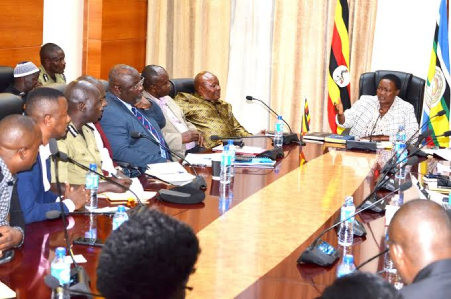
The growing standoff has attracted government attention, with President Yoweri Museveni directing Prime Minister Robinah Nabbanja to engage traders and relevant government agencies to find lasting solutions.
The Prime Minister subsequently convened a meeting involving KACITA, URA and other stakeholders to discuss the grievances affecting the trading community.
Finance Minister Henry Musasizi and Trade Minister Francis Mwebesa were also expected to participate in discussions aimed at resolving the dispute.
The intervention comes at a critical time as businesses prepare for the festive season, traditionally an important period for retailers and wholesalers seeking to recover investments and increase sales.
A Bigger Question About Uganda’s Business Environment
Beyond the immediate disagreement between KACITA and URA, the protest raises broader questions about Uganda’s taxation policies, private sector growth and the sustainability of small businesses.
While government depends on tax revenue to finance public services and national development programmes, traders argue that tax administration should also consider the realities facing local entrepreneurs.
The challenge is finding a balance between effective revenue collection and creating an environment where businesses can survive, expand and generate employment.
As Sekitto walks through the affected commercial streets, the message from sections of Kampala’s trading community is clear: they want their concerns heard and practical solutions delivered.
The coming days will be crucial in determining whether dialogue between government, URA and traders can restore confidence and normal business operations.