

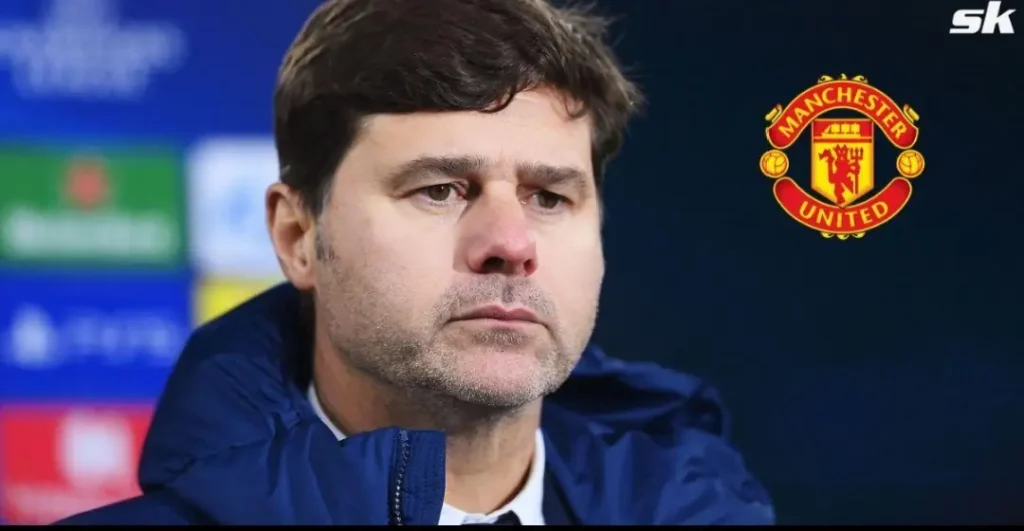
Pochettino Takes Charge at Manchester United: Can the Argentine Manager Restore the Glory Days at Old Trafford?
By ; Ibrahim Kigozi G|
Manchester United have entered another defining chapter in their search for football stability after appointing Argentine tactician Mauricio Pochettino as their new head coach, following the departure of Michael Carrick.
The appointment, announced on November 13, 2026, comes at a difficult moment for one of England’s most celebrated football clubs, with United struggling in the Premier League and facing growing pressure from supporters demanding better performances and results.
Pochettino has signed a two-and-a-half-year contract that will keep him at Old Trafford until June 2029. He is expected to officially begin his duties on November 18 after completing his remaining international responsibilities with the United States national team.
His arrival follows the dismissal of Carrick, whose promising return to the club initially raised hopes of a new beginning. Carrick had guided United to third place in the 2025/26 Premier League season, winning 12 of his final 17 matches before being appointed permanently.
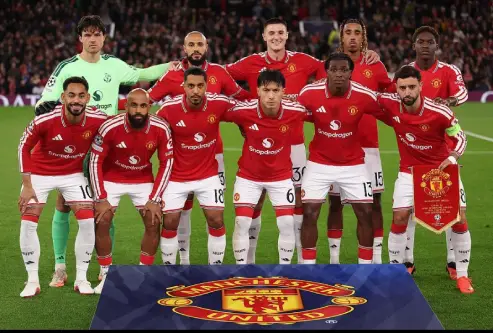
However, the current campaign has taken a dramatic turn, with United collecting just eight points from their opening 10 league matches and dropping into 18th position, placing the club in the relegation zone.
For Pochettino, the challenge is therefore much bigger than simply taking charge of another football team. He must restore confidence, rebuild the dressing-room atmosphere and convince supporters that Manchester United can still compete among Europe’s elite.
The 54-year-old brings considerable managerial experience, having previously coached Southampton, Tottenham Hotspur, Paris Saint-Germain and Chelsea.
His most memorable achievement in English football came at Tottenham, where he transformed the club into consistent Champions League contenders and guided them to the 2019 UEFA Champions League final.
He also won Ligue 1 with Paris Saint-Germain, demonstrating his ability to manage teams carrying enormous expectations.
At Manchester United, his preferred high-intensity, attacking approach could offer a fresh direction. His philosophy emphasises pressing, discipline, teamwork and developing individual talent.
However, implementing such a system will require time, commitment and players willing to adapt to his demands.
One of his immediate priorities will be assessing the current squad and identifying weaknesses, particularly in midfield, defence and the team’s ability to control matches.
United also need greater consistency from their attacking players, who must convert opportunities into goals while maintaining defensive responsibility.
His first major examination is expected to come against fierce rivals Liverpool on November 22 at Anfield. The fixture presents a difficult introduction, especially considering the limited time he will have to work with the squad.
Beyond tactics and team selection, Pochettino will also need strong support from the club’s leadership. Manchester United’s repeated managerial changes have raised questions about recruitment, football administration and the long-term direction of the institution.
Changing managers without addressing deeper structural challenges risks repeating the same cycle of disappointment.
For supporters, the expectations remain enormous. They want entertaining football, competitive performances and, ultimately, trophies.
Pochettino has the experience to begin that journey, but his success will depend on whether the players, management and ownership share a common vision.
Manchester United do not simply need another manager. They need a sustainable football project capable of restoring the club’s identity and competitiveness.
The question now is whether Pochettino can turn the crisis at Old Trafford into the beginning of a new era.
For now, the rebuilding mission has officially begun.