

TRUMP, XI & PUTIN : THE POWER GAME BEHIND THE HISTORIC THREE – WAY SUMMIT – WHAT THE WORLD SAW & WHAT MAY BE HIDDEN?
By: Ibrahim Kigozi G|
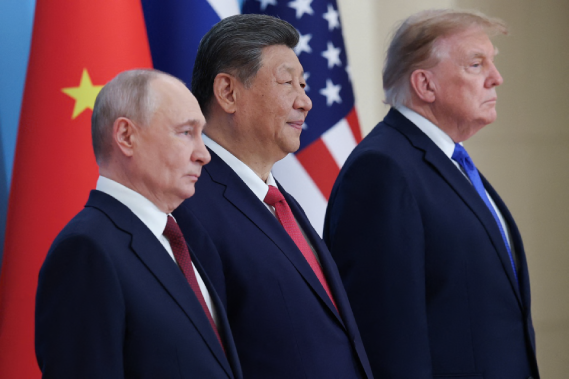
The world witnessed an extraordinary diplomatic moment on November 19, 2026, when United States President Donald Trump, Chinese President Xi Jinping and Russian President Vladimir Putin held their first-ever trilateral summit in Shenzhen, China.
The meeting, held on the sidelines of the Asia-Pacific Economic Cooperation (APEC) summit, brought together leaders of the world’s three largest nuclear powers. Beyond the historic photographs and diplomatic handshakes, however, the gathering raised an important question: Are these three leaders preparing to redefine the global political and economic order?
Trump described the gathering as historic, while Xi emphasised the responsibility of major powers to maintain international peace and stability. Putin also highlighted their shared responsibility for global security.
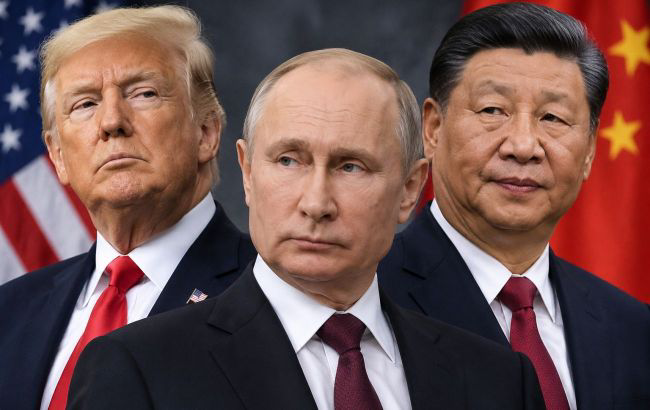
WHAT THE WORLD SAW?
The visible agenda included nuclear security, energy supplies, international peace and reform of global institutions.
One of the most significant outcomes was a joint declaration committing the three countries to dialogue on reducing nuclear risks and preventing the spread of nuclear weapons.
Considering their enormous nuclear capabilities, any agreement that reduces the possibility of confrontation between Washington, Beijing and Moscow could have far-reaching consequences for global security.
The leaders also expressed support for stable energy flows and reforming the United Nations to make it more responsive to contemporary international challenges.
However, the declaration offered few concrete commitments, leaving questions about how the promises will translate into action.
WHAT THE WORLD DID NOT SEE?
Behind the diplomatic language are strategic interests that deserve closer examination.
For Trump, the meeting offered an opportunity to demonstrate American diplomatic influence and present himself as a leader capable of engaging Washington’s biggest competitors.
For Xi Jinping, hosting the summit reinforced China’s position as an influential centre of global diplomacy. Beijing has an interest in protecting international trade, securing energy supplies and maintaining its influence in global economic affairs.
For Putin, the meeting offered an important diplomatic opportunity to demonstrate that Russia remains a major international power despite Western sanctions and international pressure over the war in Ukraine.
There is also a bigger question surrounding the future of international institutions. Their joint criticism of the International Criminal Court raises concerns about how powerful countries view international accountability.
Importantly, there is no confirmed evidence that the three leaders reached secret agreements to divide territories, control smaller countries or establish a permanent political alliance.
WHAT DOES THIS MEAN FOR AFRICA AND UGANDA?
Africa cannot afford to watch these developments from the sidelines.
The United States, China and Russia all have strategic interests in Africa, particularly in minerals, energy, infrastructure, agriculture, technology and trade.
For Uganda, changing relationships between these powers could create opportunities to attract investment, negotiate better trade arrangements and diversify international partnerships.
However, African governments must remain strategic. They should avoid becoming arenas for competition between powerful countries and instead negotiate partnerships that deliver measurable economic benefits.
A NEW WORLD ORDER OR JUST DIPLOMATIC THEATRE?
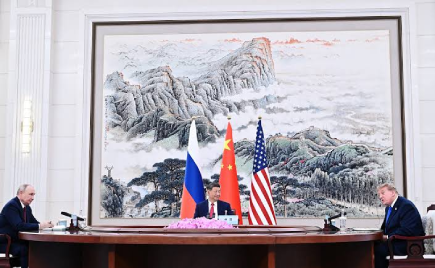
The Shenzhen meeting does not necessarily signal a permanent alliance between the three countries. Their disagreements over Ukraine, Taiwan, trade, technology and global influence remain significant.
Nevertheless, the meeting demonstrated that even the world’s most powerful rivals recognise the importance of direct engagement.
The real story will emerge from what happens after the cameras are switched off.
Will these leaders deliver meaningful cooperation, or was this simply an extraordinary diplomatic performance?
One thing is clear: when Washington, Beijing and Moscow sit at the same table, the rest of the world has every reason to pay attention.