By; Admin
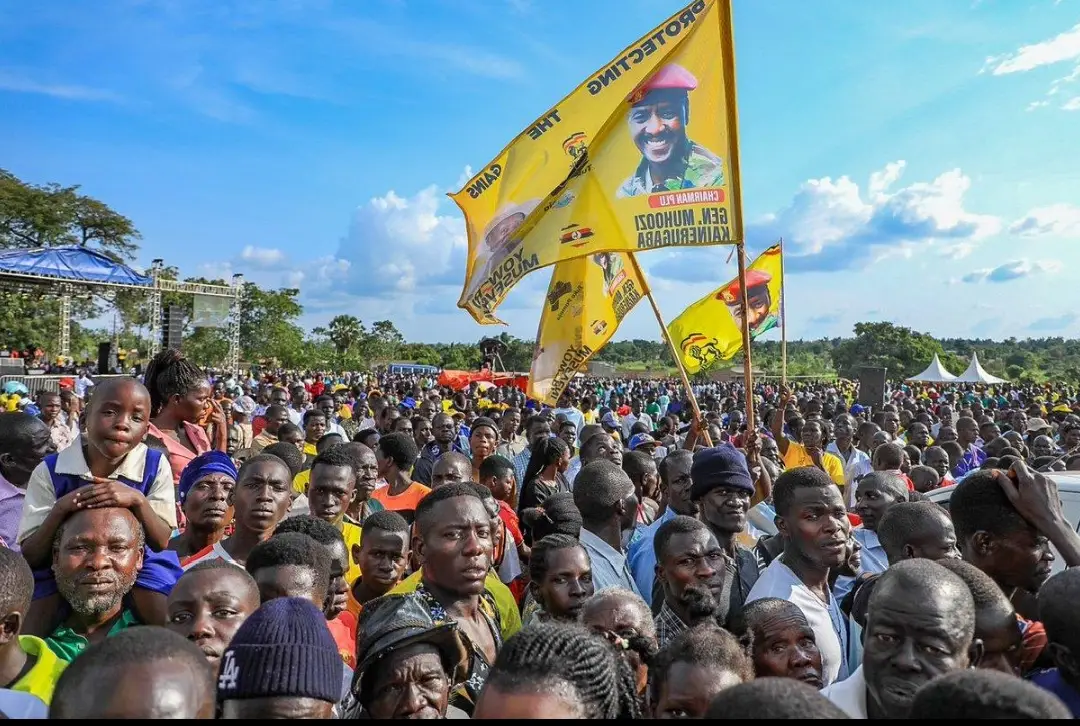
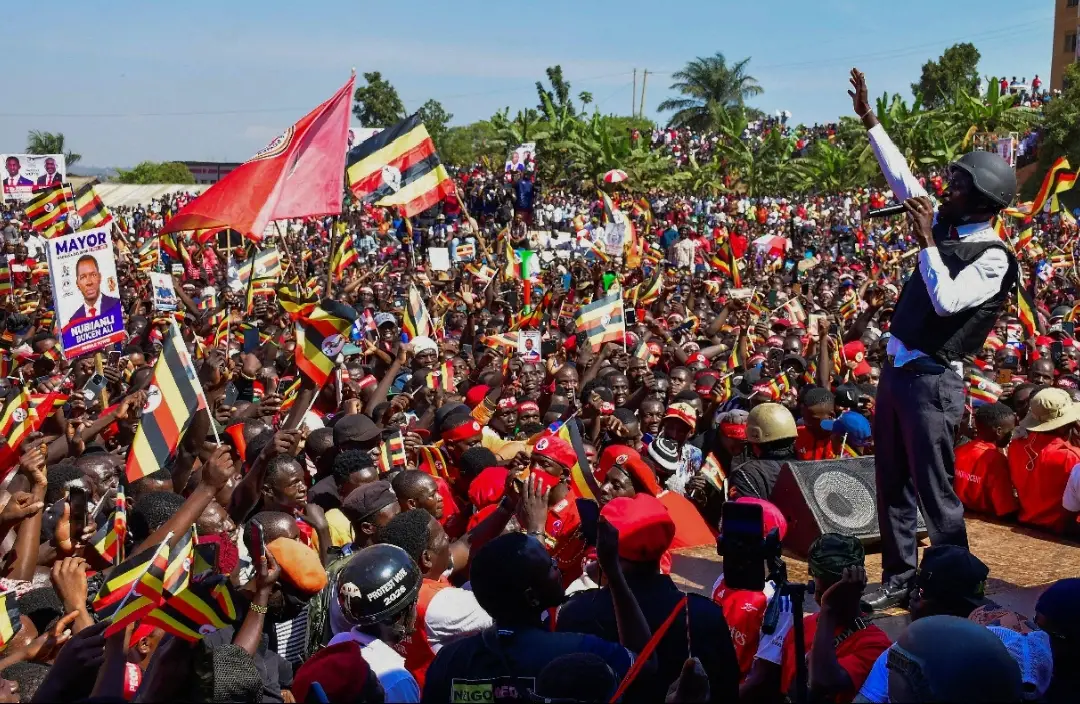
Uganda’s political landscape is already looking beyond the 2026 General Election, with political actors positioning themselves for the next phase of national politics. At the centre of this emerging contest is the Patriotic League of Uganda (PLU), an organisation closely associated with Gen. Muhoozi Kainerugaba, and Robert Kyagulanyi Ssentamu, popularly known as Bobi Wine, whose political influence continues to shape Uganda’s opposition landscape.
For PLU, the question of whether Bobi Wine should return to Uganda is therefore more than a question concerning one opposition politician. It touches on the future political competition, youth mobilisation and the ability of different political movements to define themselves in relation to their strongest competitors.
PLU announced in September 2026 that it would remain a civic organisation, pressure group and social movement within the National Resistance Movement (NRM), rather than becoming an independent political party. This decision places the organisation in a different political position from NUP, which operates as an opposition party under Bobi Wine's leadership.
Bobi Wine remains an important political reference point
Bobi Wine's political significance is partly rooted in his ability to connect politics with popular culture, youth identity and grassroots mobilisation. His rise from musician to opposition leader transformed the way political campaigns engaged young Ugandans.
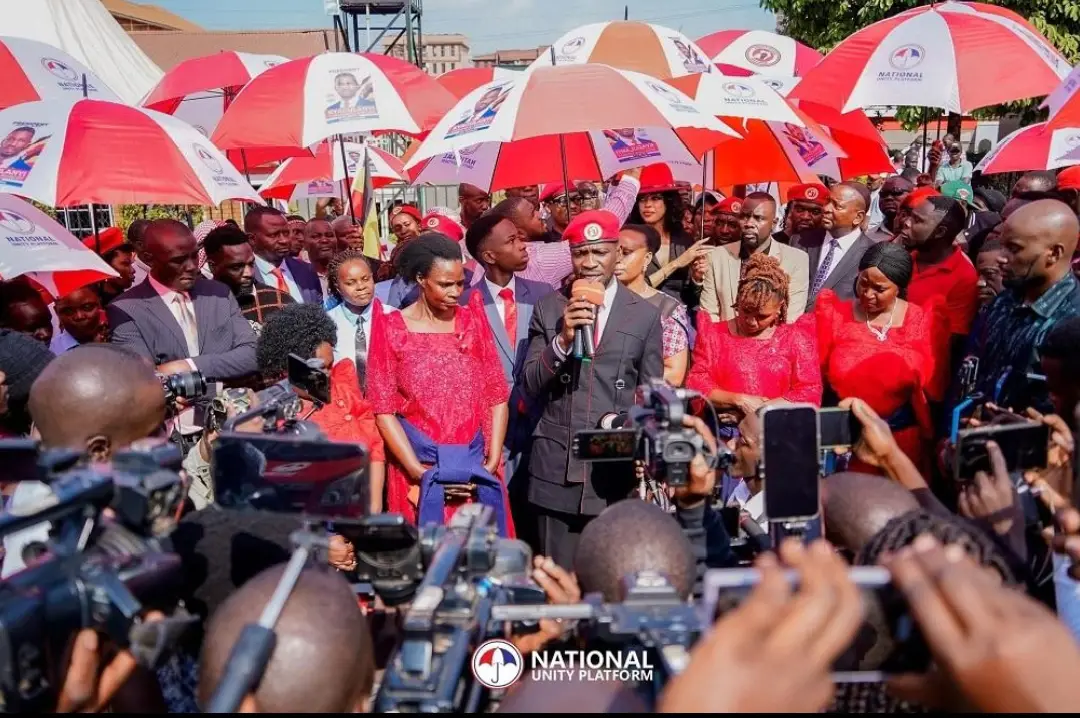
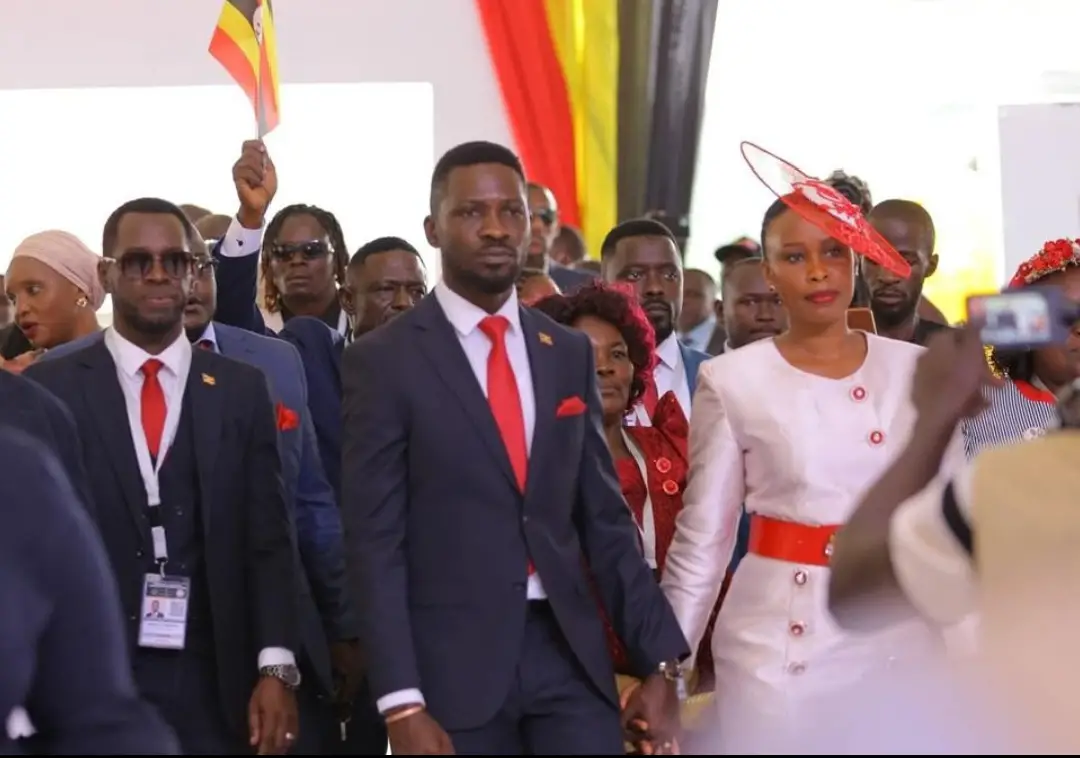
Academic research published by Cambridge University Press in 2026 examines the transition of the People Power movement into the National Unity Platform and highlights the organisational, strategic and identity challenges that accompanied that transformation.
His absence from Uganda has consequently created a different political environment. Bobi Wine has continued political activities abroad, including meetings with international politicians and advocacy groups. In September, supporters also marked what was described as the first National Bobi Wine Day, demonstrating that his political identity remains active even while he is outside the country.
Why his return could matter to PLU
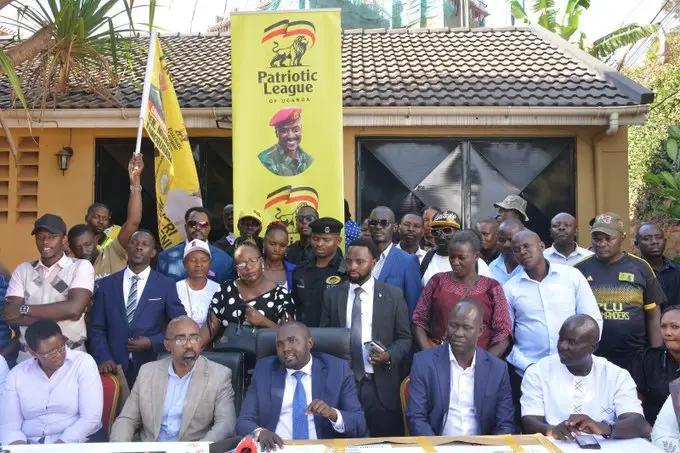
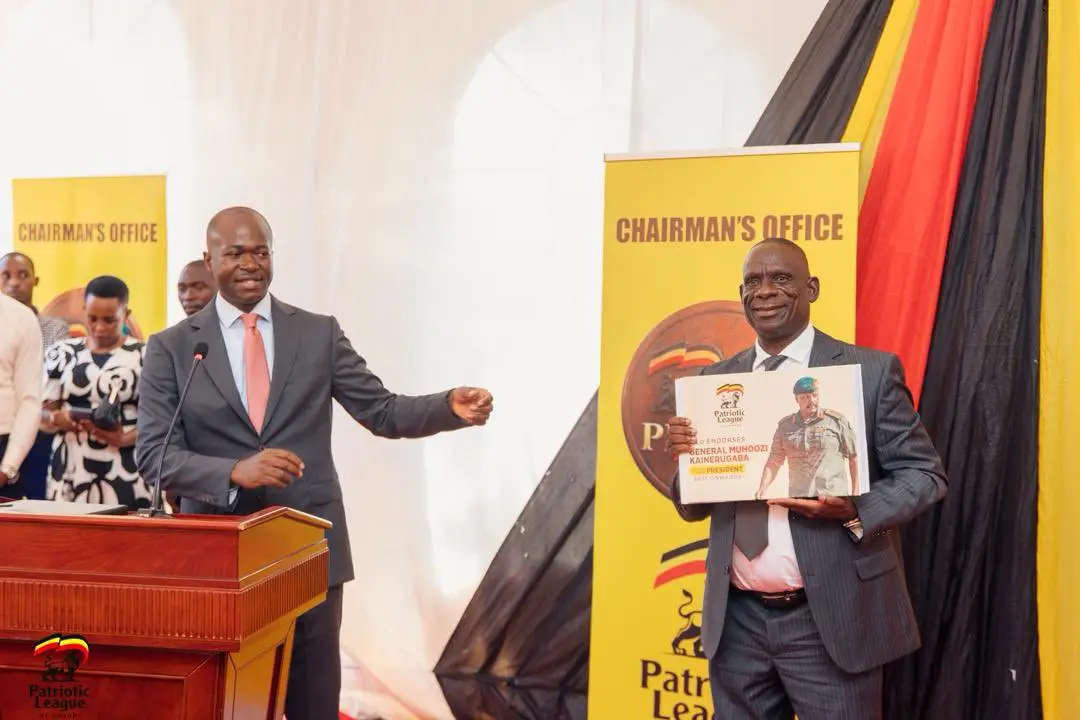
One argument is that PLU's political relevance may become easier to measure when its principal political competitors are physically active inside Uganda.
A political movement gains visibility partly through competition. If Bobi Wine remains abroad, PLU can focus on building its own structures, messaging and relationship with the NRM without facing the same level of direct public contest from one of the country's most recognisable opposition figures.
However, Bobi Wine's return could create a more clearly defined political contest. PLU would have to demonstrate what it offers Ugandans, particularly young voters, rather than relying primarily on association with the broader NRM political establishment.
This is particularly important because PLU's political identity has been closely linked to Gen. Muhoozi Kainerugaba. The organisation emerged from the MK Movement and has developed structures across Uganda while maintaining links with the NRM.
A direct political environment involving Bobi Wine could therefore force PLU to sharpen its message on youth employment, entrepreneurship, national development, accountability, culture and generational leadership.
Competition can clarify political identities
A return by Bobi Wine could also give PLU an opportunity to test the strength of its own mobilisation.
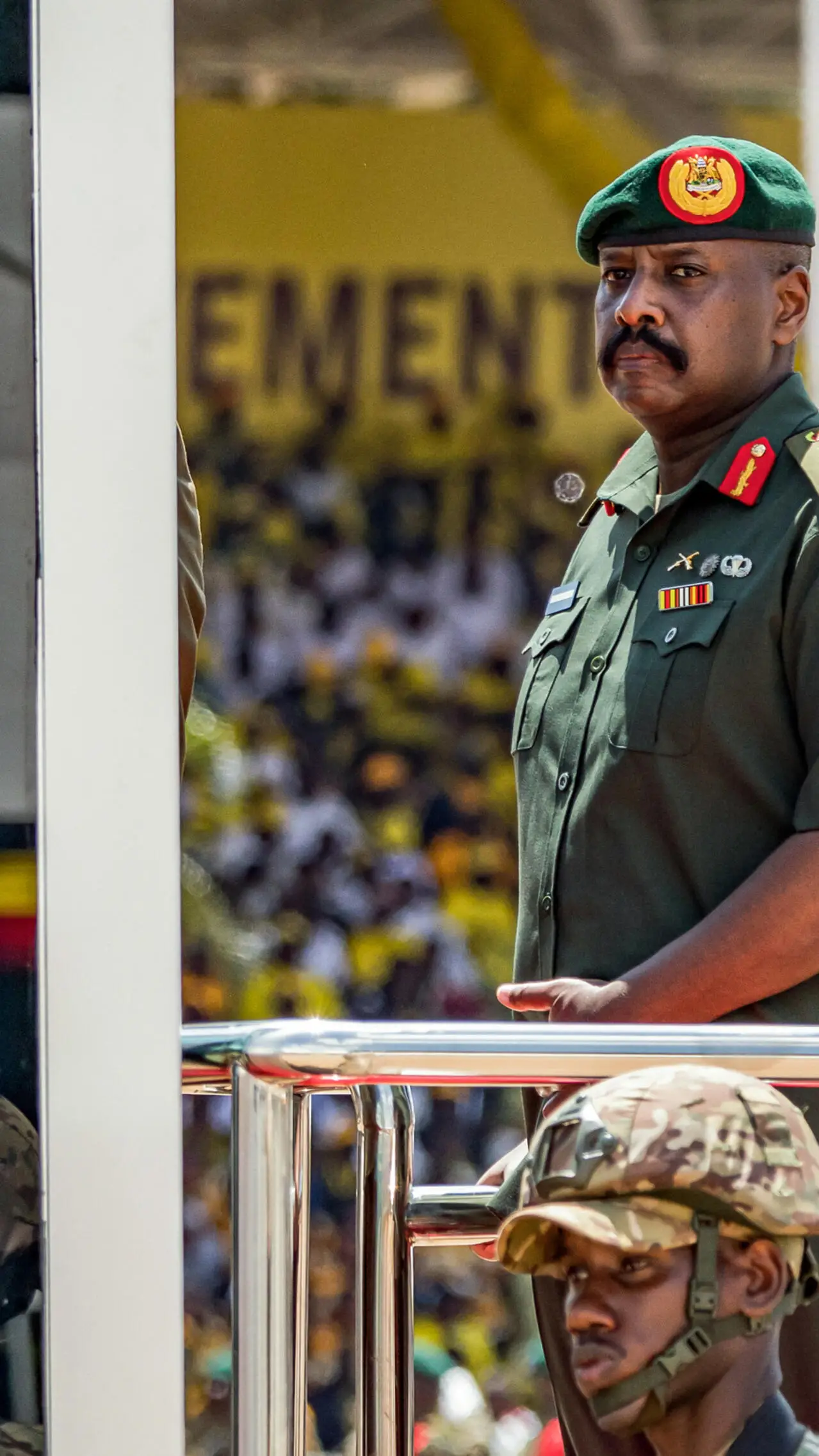
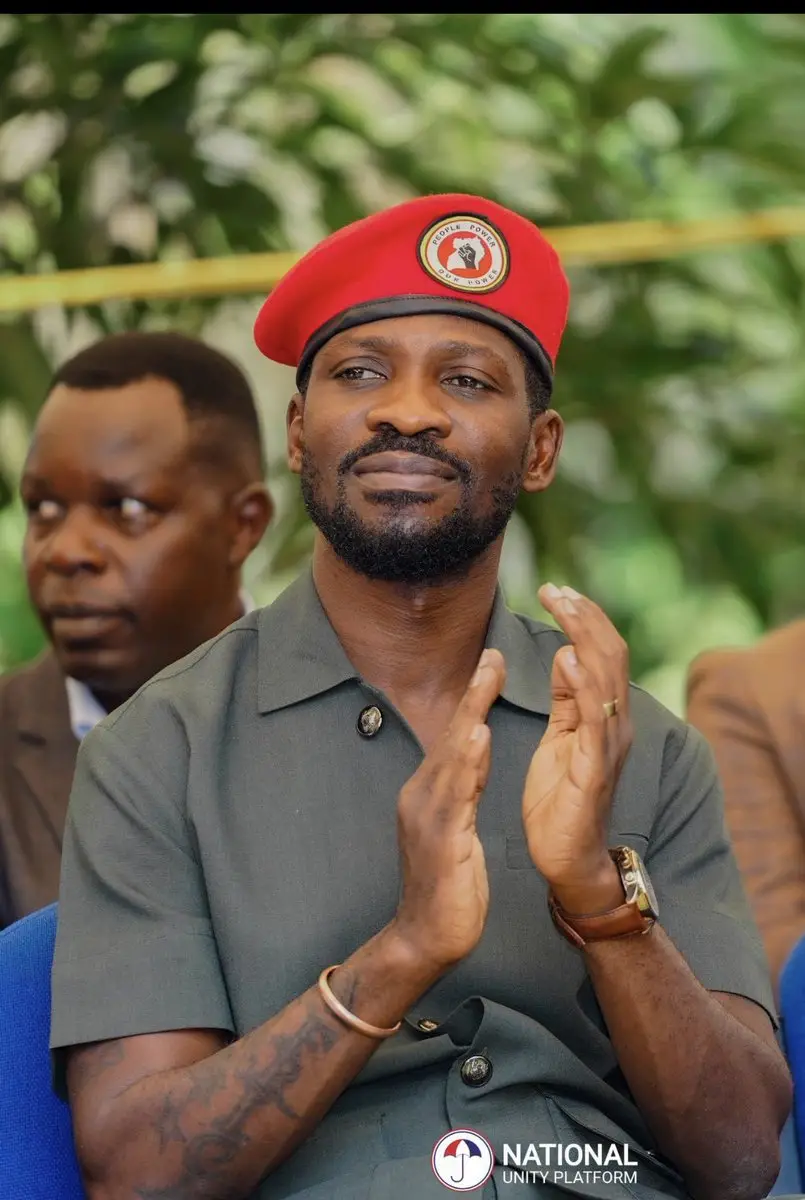
Instead of presenting PLU simply as a movement associated with the future of the NRM, its leaders would have to engage directly with an opposition movement that has already demonstrated an ability to mobilise significant numbers of young Ugandans.
In the January 2026 presidential election, Electoral Commission figures put President Yoweri Museveni at 71.65 percent and Bobi Wine at 24.72 percent of valid votes. Bobi Wine rejected the results, describing them as fraudulent.
Those figures do not by themselves determine future political influence, but they demonstrate the scale of the constituency around which Bobi Wine's political campaign was organised.
The security question remains central
Bobi Wine's return also raises the issue of political security. In August 2026, he told Le Monde that he intended to return to Uganda but expressed serious concerns about his safety.
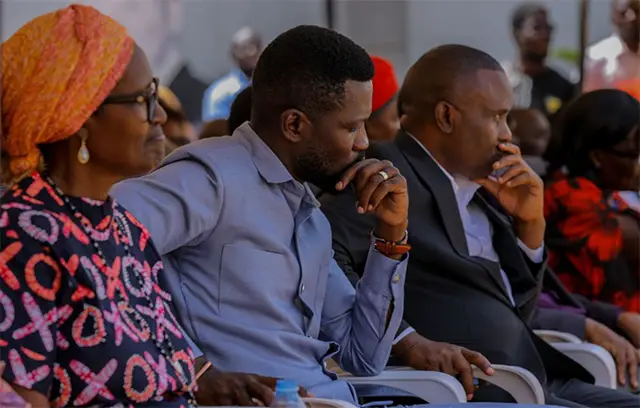
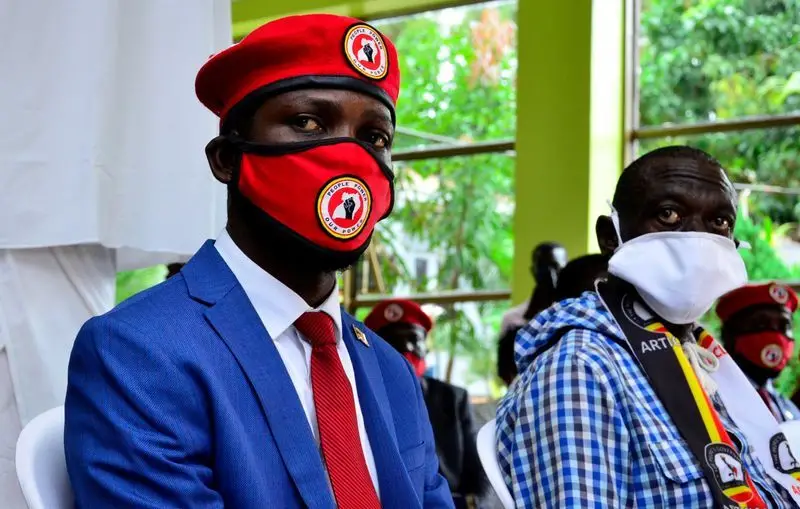
Earlier reports in 2026 indicated discussions between government and NUP representatives concerning arrangements for his return, although the circumstances and outcome of those discussions have been contested or differently reported.
For any return to have political significance, therefore, questions about security, political space and the treatment of opposition actors would remain important.
A new chapter in Uganda's politics

The argument that PLU could benefit politically from Bobi Wine being back in Uganda is ultimately about competition. His presence would give PLU a clearly identifiable political rival against whom its ideas, organisation and youth appeal could be tested.
At the same time, Bobi Wine's return would not automatically strengthen or weaken any political organisation. Much would depend on how political actors respond, the issues they put before voters, the political space available to them and the ability of their organisations to translate national visibility into grassroots support.
Uganda's political conversation is already looking toward the years ahead. Whether Bobi Wine returns soon or remains abroad, the interaction between NUP, PLU, NRM and other political forces will remain an important part of the country's evolving political landscape.