By; Ibrahim Kigozi G|
The granting of bail to former Butambala County legislator and National Unity Platform (NUP) Deputy President for Buganda, Muhammad Muwanga Kivumbi, has opened a new chapter for one of Uganda’s leading opposition parties.
Kivumbi was on Tuesday granted Shs3 million cash bail by the Butambala Chief Magistrate’s Court, with his sureties required to execute non-cash bonds of Shs2 million each. He is facing charges of allegedly inciting violence and managing an unlawful society, allegations he denies.
His release comes after months of legal battles. In July, the International Crimes Division of the High Court had granted Kivumbi bail in a separate terrorism-related case after he had spent nearly six months on remand. He was subsequently re-arrested, leading to further legal proceedings and political concern.
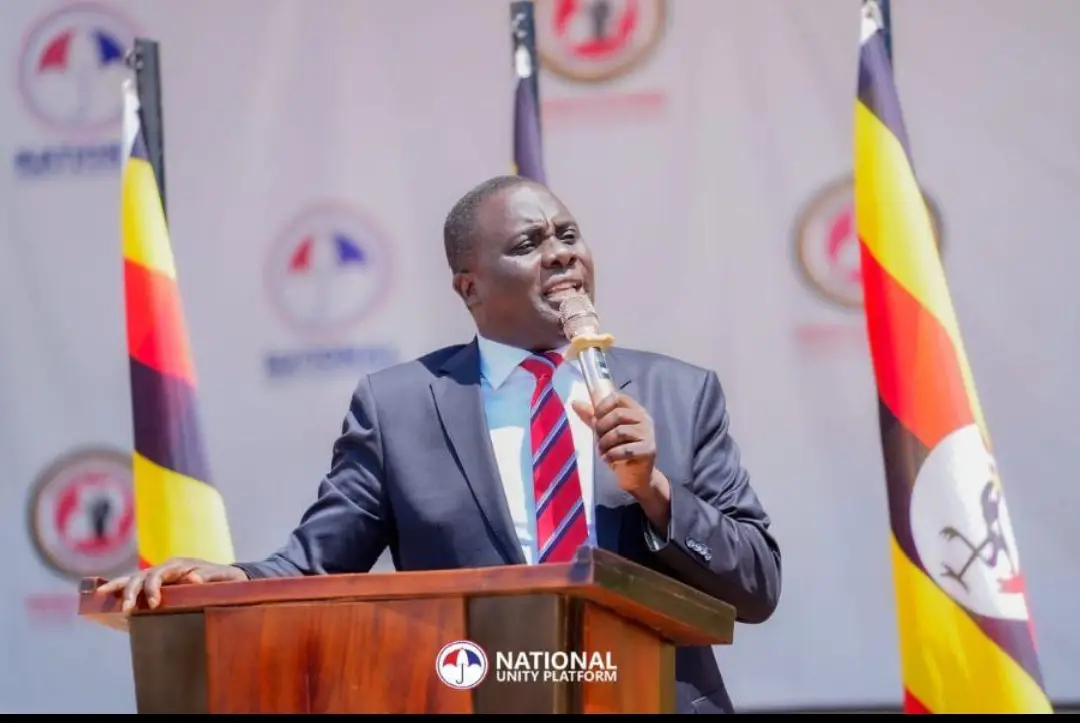
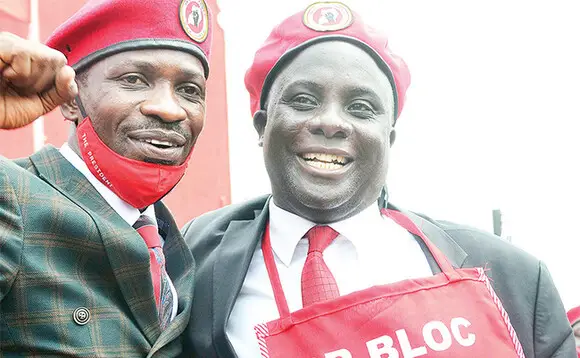
For NUP, Kivumbi’s return to the political arena could have significance beyond his individual legal battles.
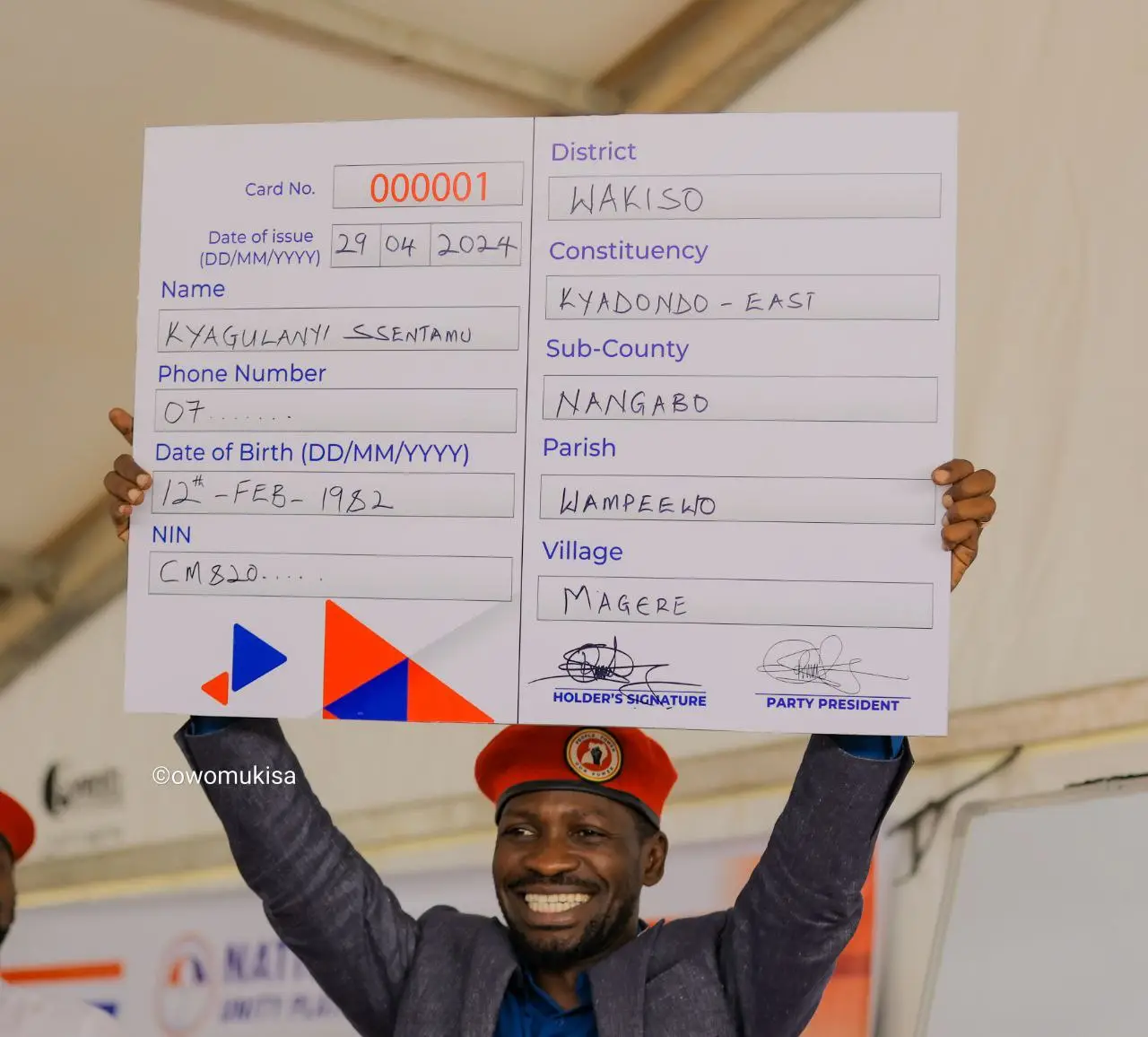
The party, led by President Robert Kyagulanyi Ssentamu, popularly known as Bobi Wine, has built its political identity around opposition to the ruling establishment, mobilising young people and advocating issues including accountability, democracy, human rights and social justice. NUP officially lists Kyagulanyi as its president and Kivumbi as Deputy President for the Central Region.
Kivumbi brings a different political profile to that of Kyagulanyi. He is a veteran politician whose political experience stretches back to the Uganda Young Democrats and Democratic Party before he joined NUP. His parliamentary career, legal battles and outspoken opposition politics have given him considerable experience in Uganda’s political contest.
The question, therefore, is whether Kivumbi could become an important figure in NUP’s next phase of political organisation.
It is important, however, to distinguish strengthening the party from replacing Kyagulanyi. NUP’s current official leadership structure identifies Kyagulanyi as party president, while Kivumbi serves as Deputy President for Central Region. There is no indication in the party’s official information that Kivumbi has been designated to replace Kyagulanyi.
Still, Kivumbi's political experience could potentially contribute to NUP in several areas: grassroots mobilisation, parliamentary strategy, opposition coordination, political messaging and organisational development.
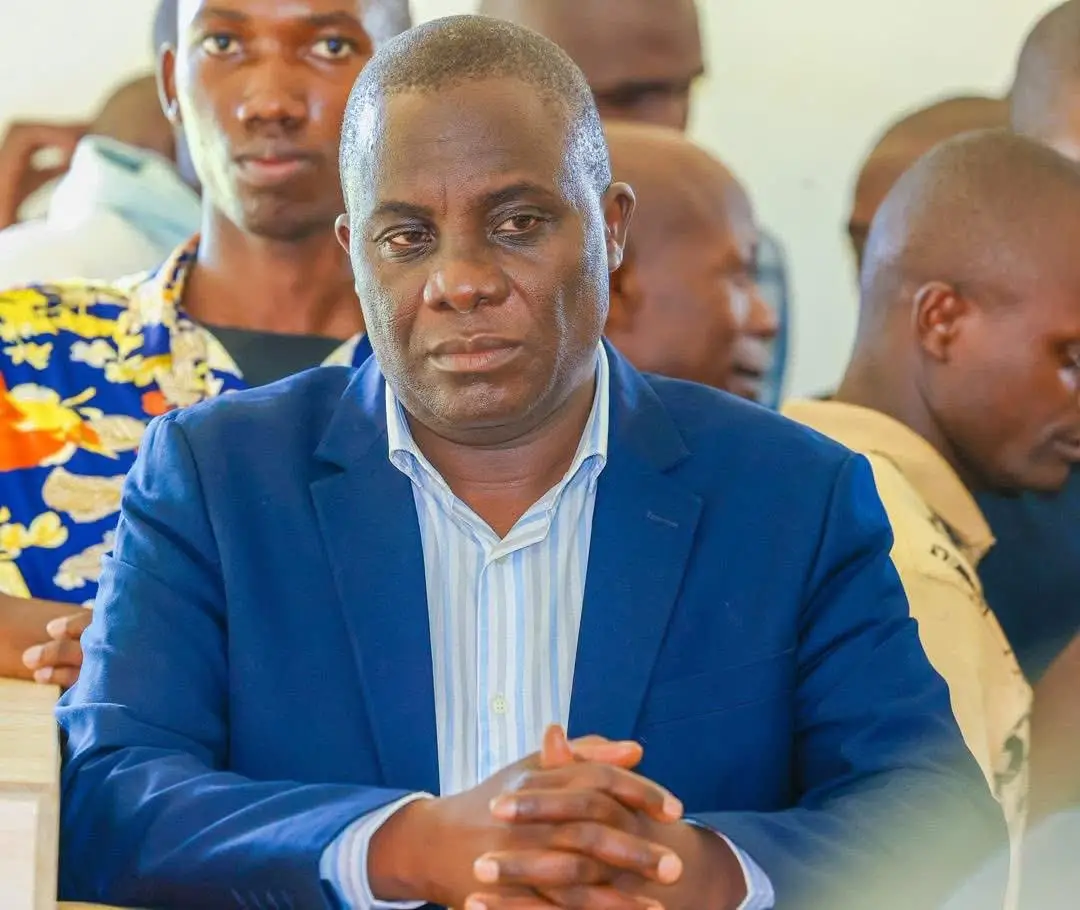
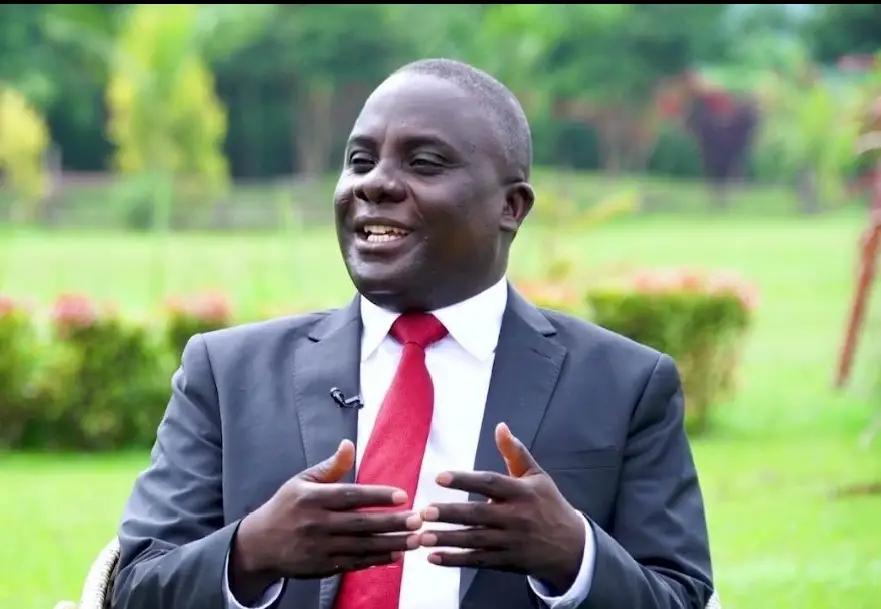
His experience also gives him an established political identity outside the celebrity-driven politics associated with Kyagulanyi. That could provide NUP with another experienced voice capable of engaging older voters, political activists and traditional opposition constituencies.
At the same time, any discussion of succession within NUP would involve questions about party structures, internal democracy, public support and the ability of different leaders to work together. Kivumbi's current legal cases are also ongoing, meaning his political activities could continue to be affected by court proceedings and bail conditions.
For now, his release gives him an opportunity to return to public life while defending himself against the allegations before court. The charges remain allegations, and he is presumed innocent until proven guilty.
Kivumbi’s bail therefore represents more than a legal development. For NUP, it places one of its experienced leaders back in the political conversation at a potentially important moment.
Whether he becomes a stronger organisational force within NUP, assumes a larger leadership role in the future, or simply continues serving alongside the existing leadership will ultimately depend on the party’s structures and political decisions—not merely on his release from custody.