By : Ibrahim Kigozi G
For years, Uganda’s political conversation has been shaped not only by politicians in Parliament, presidential candidates or party leaders, but also by thousands of ordinary people who have taken politics to the streets, social media platforms, communities and places of work. Among them are the young men and women commonly described as “foot soldiers”—grassroots supporters who identify with opposition politics and, particularly, with the political movement built around National Unity Platform (NUP) leader Robert Kyagulanyi Ssentamu, popularly known as Bobi Wine.
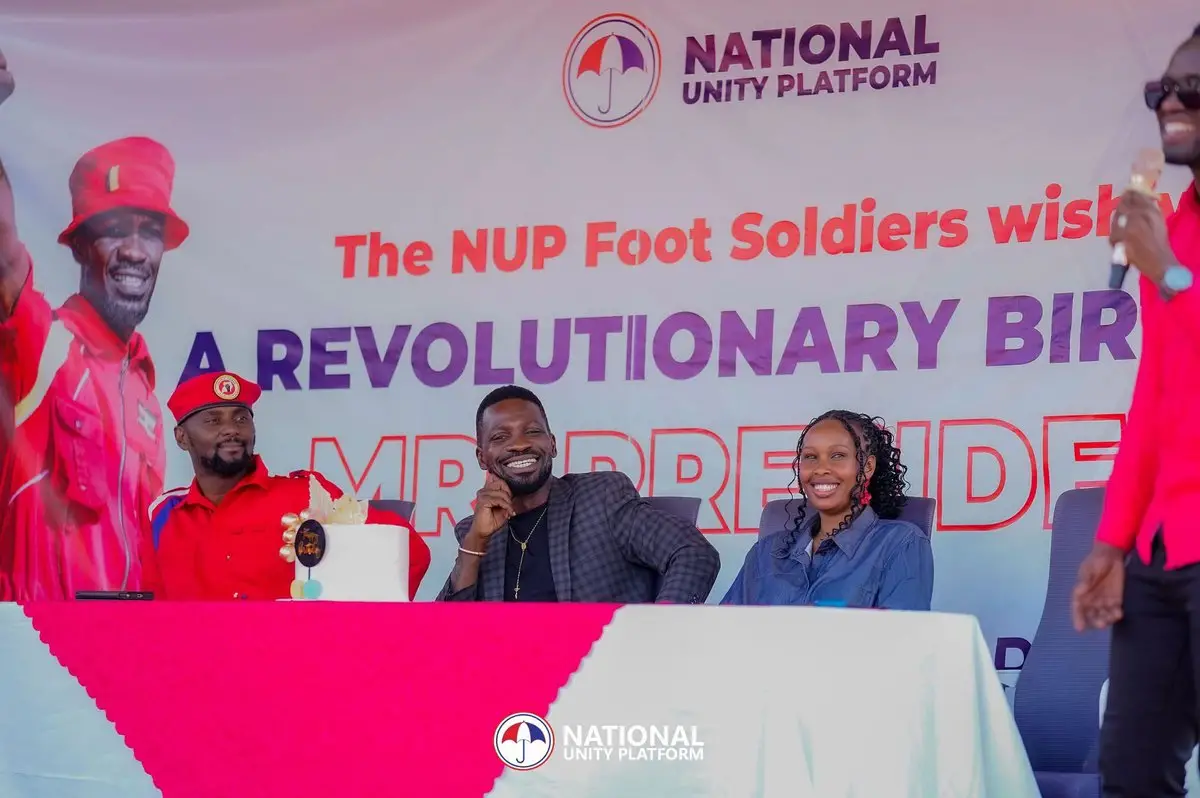
Photo: Showing NUP President Robert Kyagulanyi together with his wife Barbie Kyagulanyi Itungo celebrating the Principal Birthday hosted by the foot soldiers at NUP headquarters.
But an interesting question continues to emerge: What happens to the foot soldiers when Bobi Wine is not there to provide the rallying voice? It is a question bigger than one politician. It speaks to leadership, political identity, loyalty, organisation and the future of Uganda's opposition movement.
The rise of the foot soldier
Uganda's political history has always had grassroots political activists. But the rise of social media, youth mobilisation and new forms of political communication has changed the character of political activism. Bobi Wine's transition from musician to politician created a powerful connection with a generation that had grown up seeing him as an entertainer before knowing him as a political leader.
His political message attracted young people who felt that their concerns—unemployment, the cost of living, governance, freedom of expression and the future of the country—needed greater attention. For many supporters, therefore, politics became personal.
They were not simply attending rallies.
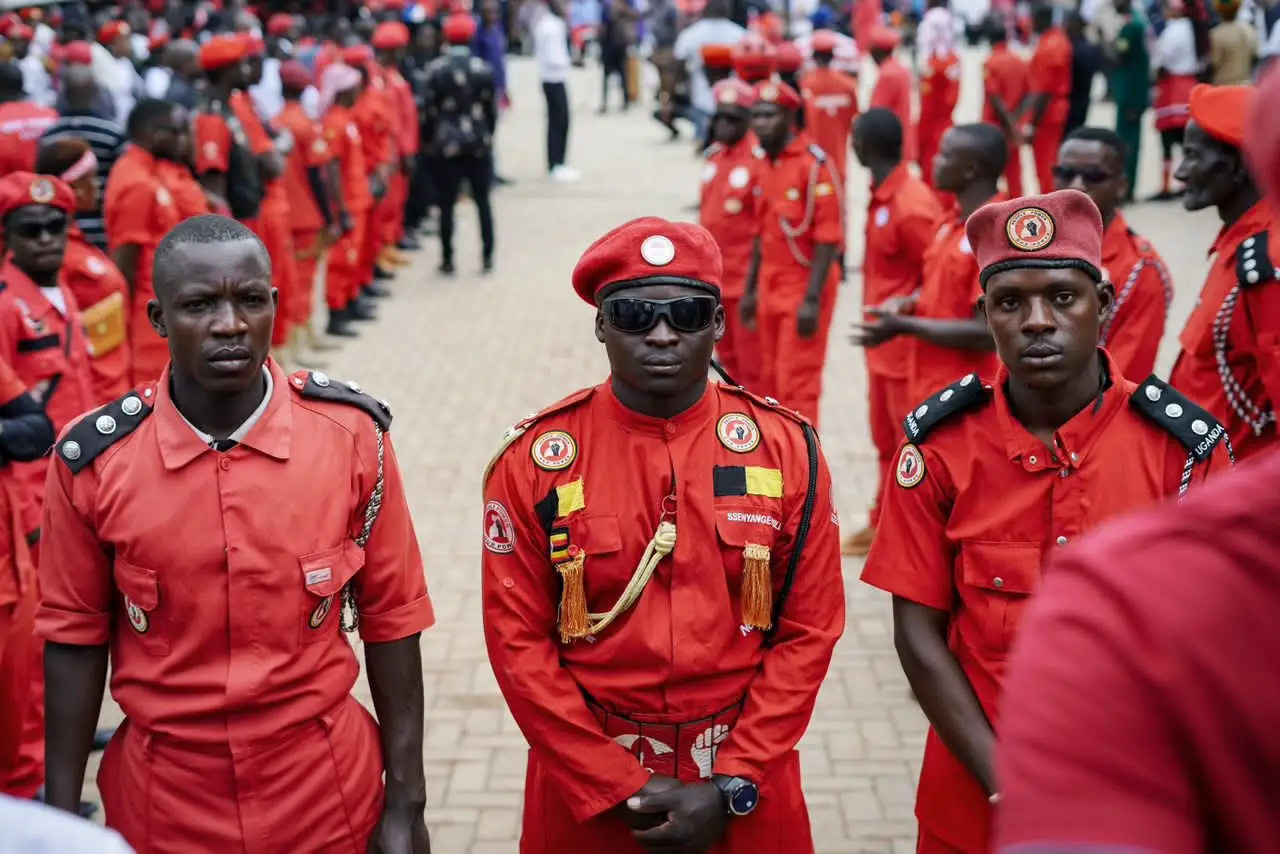
Photo : Showing NUP foot soldiers during their parade at NUP Headquarters.
They were defending an idea.
They were sharing messages online.
They were mobilising friends.
They were wearing party colours.
They were campaigning in neighbourhoods.
And some became deeply emotionally invested in the movement.
That is how the term “foot soldiers” became more than a political description. It came to represent the people at the bottom of the political structure who carry political messages from leaders to ordinary citizens.
When the leader becomes the message
One of the greatest strengths of a political movement can also become one of its biggest challenges. When a movement becomes strongly associated with one personality, the leader can become its symbol, communicator and source of motivation all at once.
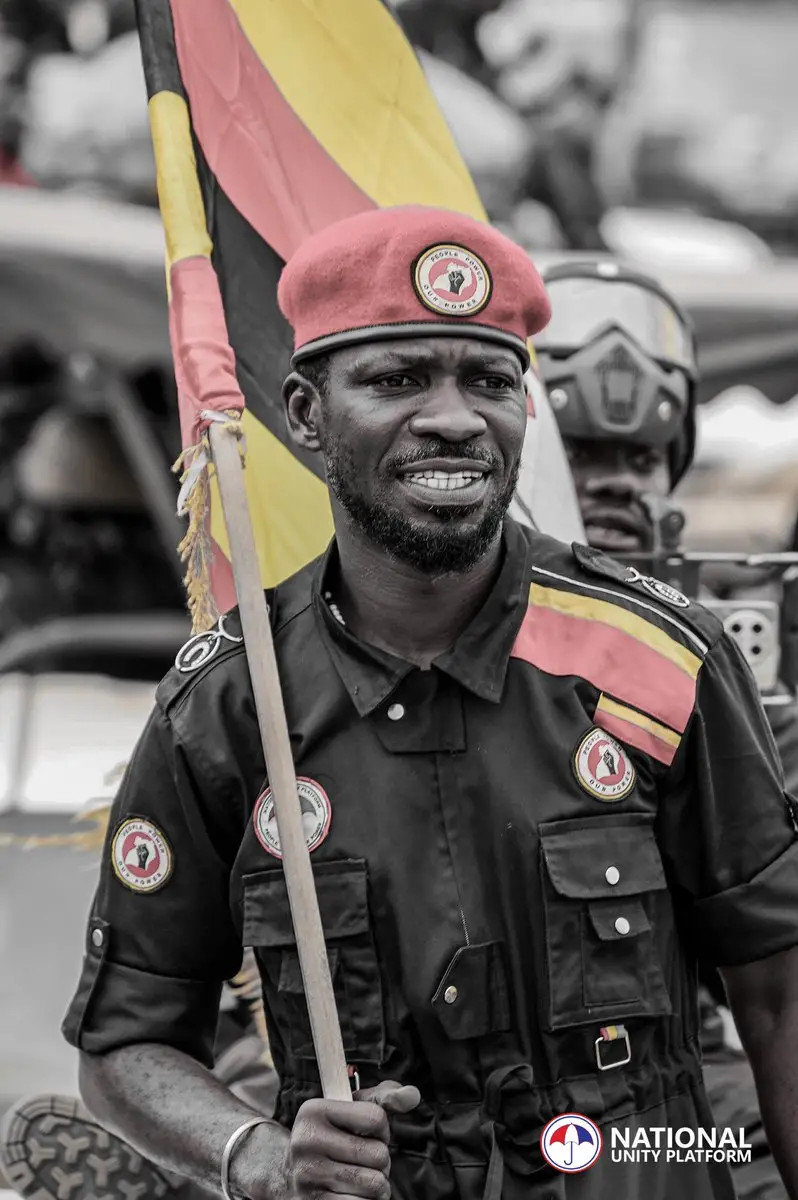
Photo : Showing the NUP Principal Robert Kyagulanyi Ssentamu during campaigns.
For Bobi Wine's supporters, his speeches, music, social-media messages and public appearances have often provided moments around which political energy can gather. So when he is absent, quiet or less visible, some supporters may naturally wonder:
What next?
Who delivers the message?
Who keeps the energy alive?
Who settles disagreements?
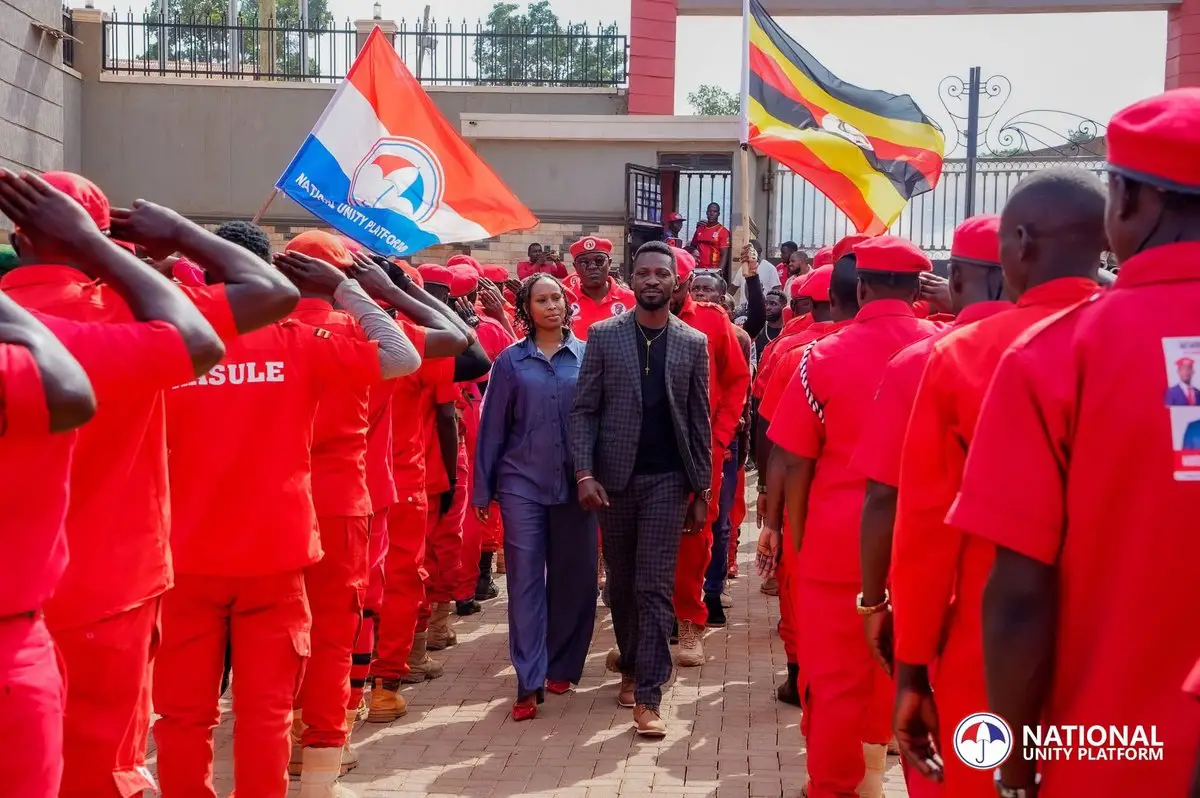
Photo : Showing NUP Principal together with the wife at the foot soldiers parade at NUP Headquarters.
Who gives direction?
Who tells the foot soldiers where the movement is going?
These questions do not necessarily mean that the movement disappears. Rather, they expose an important test of political organization: Can a movement survive beyond the personality of its most recognizable leader?
The foot soldiers' dilemma
For the ordinary supporter, politics is not always about ideology or political theory. Sometimes it is about belonging. A young person may identify with a movement because they believe it represents their generation. Another may support it because of dissatisfaction with the political establishment.
Another may simply admire its leaders. And another may have invested years of personal effort in campaigning and therefore feel that abandoning the movement would mean abandoning part of their own identity. Without a highly visible leader, however, these supporters can face uncertainty. Some may become less active.
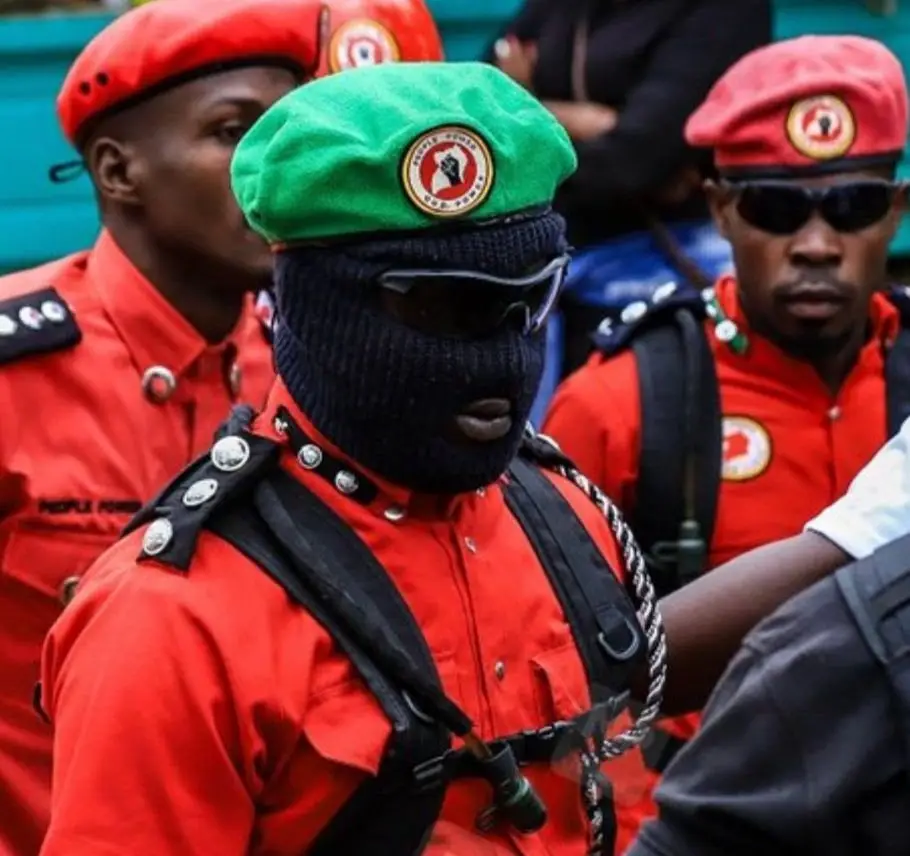
Photo : Showing NUP foot soldiers donning their uniform at the NUP Headquarters.
Others may search for alternative leaders. Some may remain loyal regardless of circumstances. Others may begin questioning whether the movement has a clear succession plan. That is the reality of grassroots politics: the foot soldier can be extremely loyal, but loyalty also needs direction.
A movement cannot live on emotion alone
Political movements are built through emotion, but they survive through organization. Charisma can bring people together. A powerful speech can inspire thousands. A viral message can dominate the national conversation. But long-term political success requires something more: structures, policies, communication systems, grassroots leadership and a clear vision.
This is where the future of the foot soldiers becomes particularly important. If the movement surrounding Bobi Wine is to remain influential over the long term, supporters must know more than who they are fighting against. They need to understand what they are fighting for:
What kind of economy do they want?
How should Uganda's education system work?
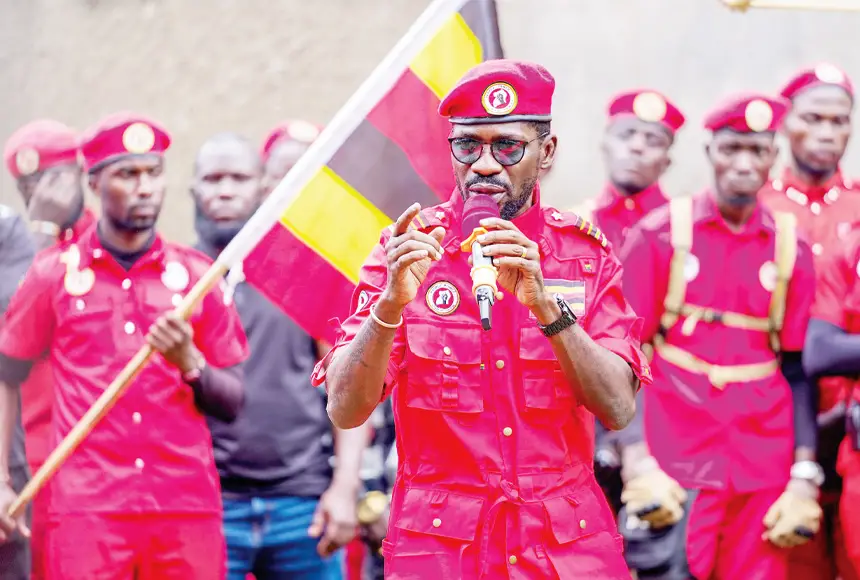
Photo : Showing NUP Principal addressing the foot soldiers as they head to the campaigns.
How should young people find jobs?
What should happen to agriculture?
How should corruption be addressed?
How should political institutions function?
What should happen to local governments?
And perhaps most importantly:
What happens after the political victory they seek? These are the questions that turn political supporters into citizens participating in a serious national conversation.
The danger of leader-dependent politics
Every political movement faces the risk of becoming too dependent on one individual. When that happens, the leader becomes almost irreplaceable. Supporters may struggle to imagine the movement without that person. Potential alternative leaders may be overshadowed.
Internal debate may become difficult. And when the leader is unavailable, the movement's energy can temporarily decline. For the foot soldiers, this creates an uncomfortable reality. They may have the numbers. They may have the passion.
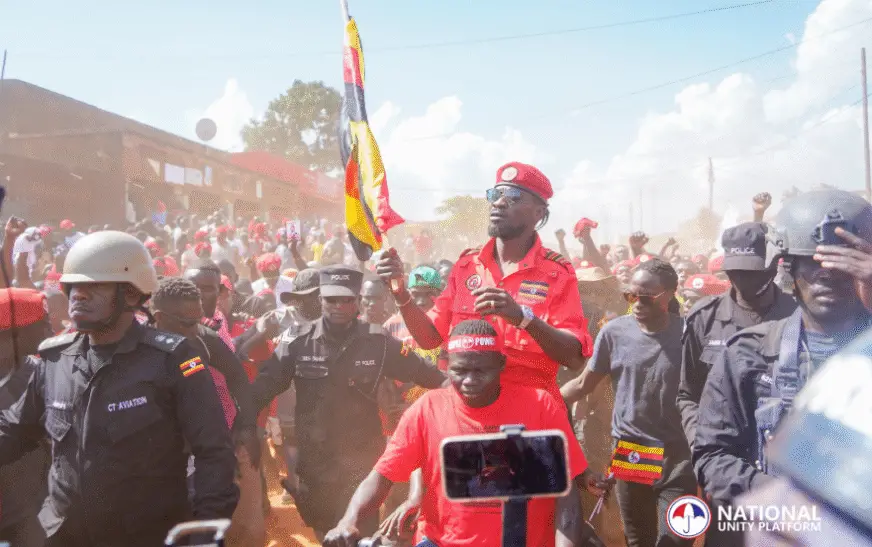
Photo: Showing NUP Principal during the campaigns .
They may have the ability to mobilize. But without effective coordination, that energy can become scattered. The real question, therefore, is not simply whether the foot soldiers can survive without Bobi Wine. It is whether they can organize themselves around an idea bigger than Bobi Wine.
The next generation of leaders
Perhaps the most important part of this story is the possibility of new grassroots leadership. Uganda has millions of young people. Many have political opinions. Many understand social media. Many are politically active. But political movements need people who can transform online popularity into sustainable community organization.
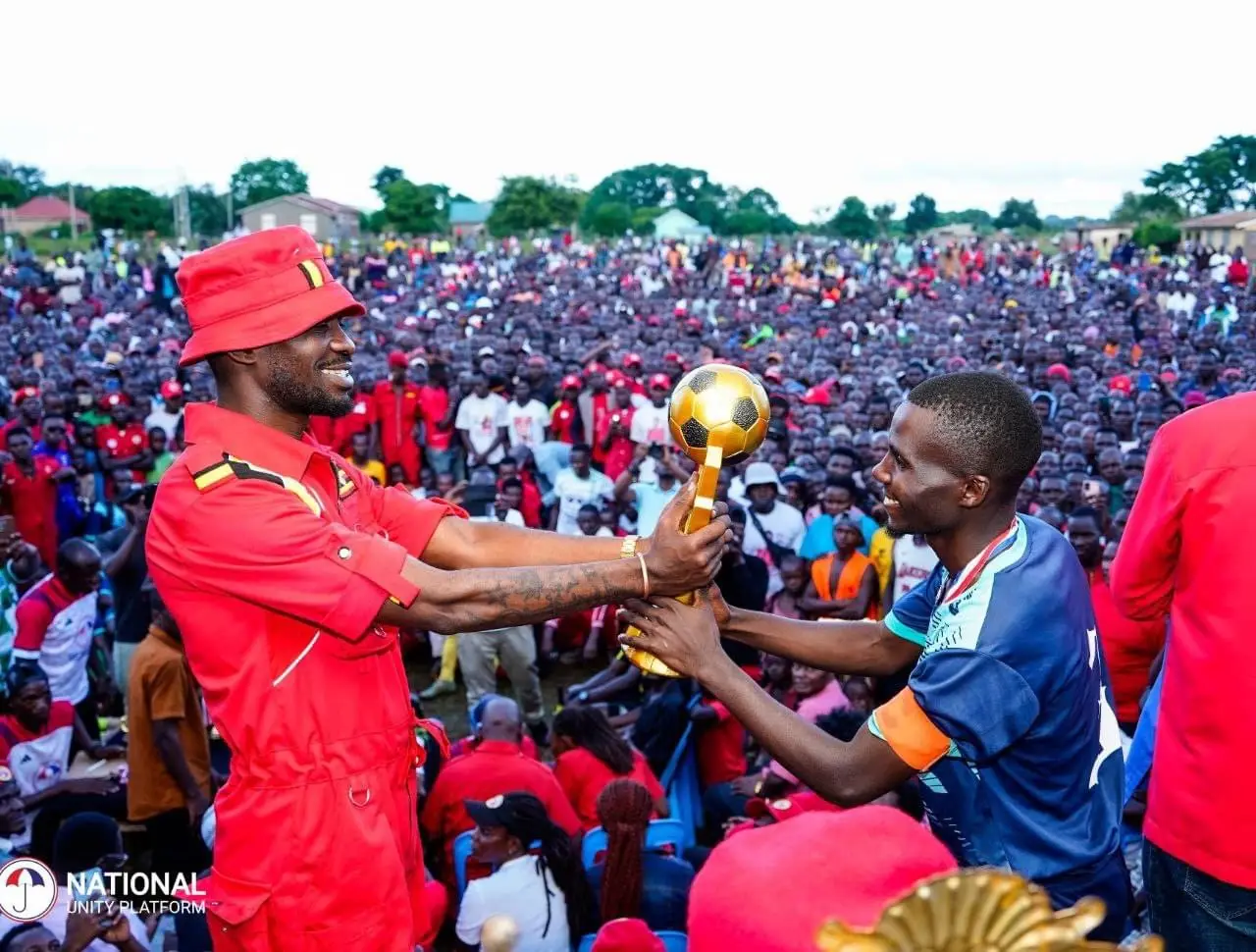
Photo : Showing NUP Principal during the foot soldiers tournament.
The future foot soldier may not necessarily be someone standing at a political rally. It could be a university student discussing governance. It could be a young entrepreneur campaigning for better economic policies.
It could be a farmer demanding better agricultural markets. It could be a journalist asking difficult questions. It could be a community organizer mobilizing residents around local problems. The political activist of tomorrow may therefore look very different from the traditional “foot soldier.”
What happens if the energy goes quiet?
This is where the phrase “the tale of foot soldiers without Bobi Wine” becomes particularly powerful. Imagine a political movement whose biggest voice suddenly becomes less visible. The colors remain. The supporters remain. The frustrations remain. The political questions remain. But the emotional Centre of the movement is quieter.
Would the supporters continue?
Would they organise themselves?
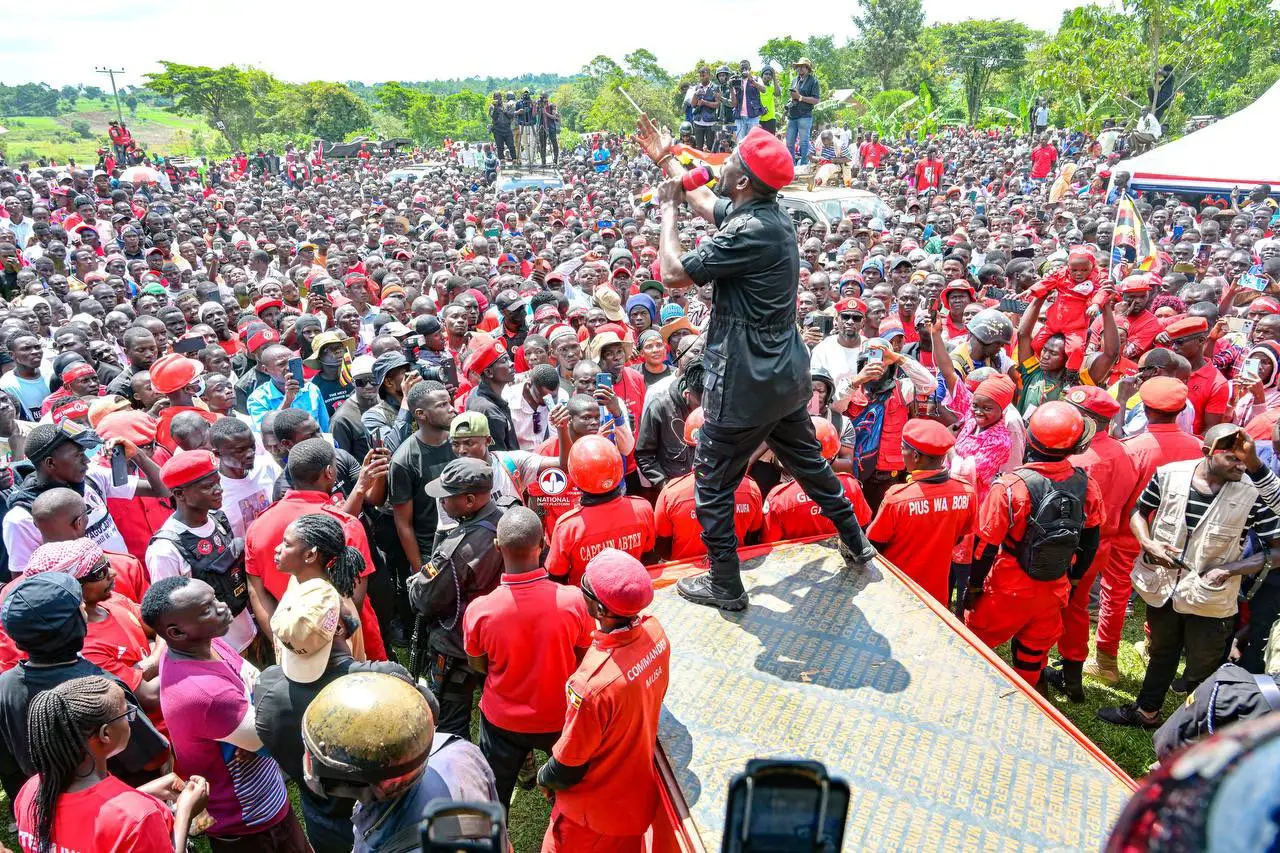
Photo : Showing NUP Principal vibing the supporters during Campaigns.
Would they wait for instructions?
Would new leaders emerge?
Would the movement transform?
Or would individual supporters gradually return to their private lives? There is no simple answer.
Political movements are living organisations. Their strength depends on the institutions, relationships and ideas that exist beneath the headline leader.
Bobi Wine's biggest political legacy may be the people
Whether one supports Bobi Wine or disagrees with his politics, one thing is difficult to ignore: his political journey has helped demonstrate the ability of a popular cultural figure to mobilize a significant political following. But perhaps the most important test of that legacy will not be measured by the size of a crowd at a rally. It will be measured by what his supporters become.
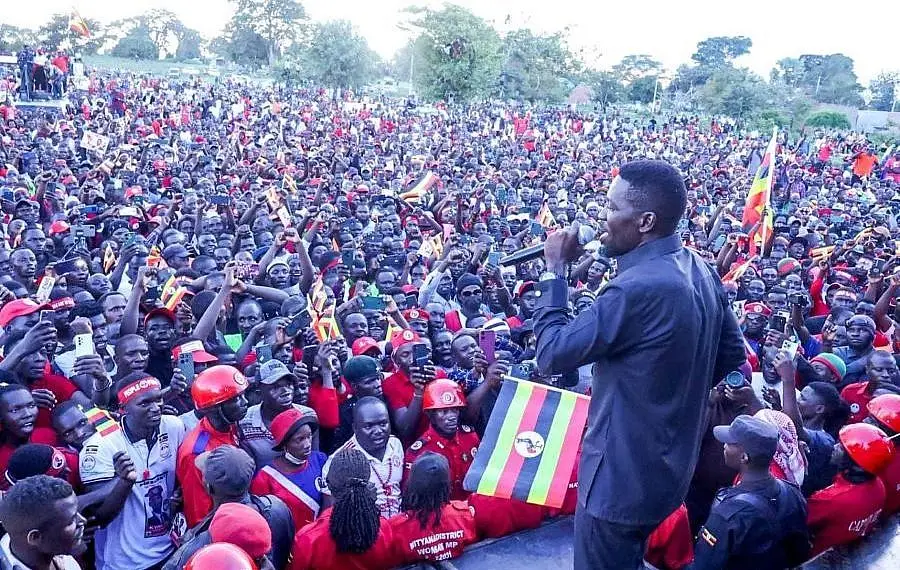
Photo : Showing NUP Principal addressing NUP supporters during the campaigns.
If the foot soldiers develop strong political awareness, independent leadership and a commitment to peaceful civic participation, they can become an important part of Uganda's political future. If they remain completely dependent on one personality, their influence may rise and fall with that personality. That distinction matters.
“Can the political generation Bobi Wine helped awaken build something that can survive beyond him?”
That is the real test. Because leaders eventually change. Political parties evolve. Movements split and regroup. Generations replace generations. But political ideas can survive if they are transferred from one generation to another.
The young Ugandan who joined a political movement because of Bobi Wine may eventually become a community leader, entrepreneur, journalist, lawyer, councilor, legislator or even a presidential candidate. The foot soldier of today could become the leader of tomorrow.
The tale is not over
So, what is the tale of the foot soldiers without Bobi Wine? It is not necessarily a story of abandonment. It is a story of transition. It is a story about whether ordinary supporters can move from following a personality to understanding and defending principles.
It is about whether grassroots activists can organize without waiting for instructions from the top. It is about whether young people can turn political passion into constructive participation. And ultimately, it is about whether a political movement can become bigger than the person who gave it its most recognizable face.
Bobi Wine may remain an important figure in Uganda's political story. But the thousands of people who have marched, campaigned, posted, debated, voted and defended their political beliefs are writing a story of their own. The question now is whether they remain foot soldiers forever—or become the leaders of the next chapter. And perhaps that is the most fascinating chapter of all.