By ; Ibrahim Kigozi G|
As the world prepares to mark World Tourism Day 2026, Uganda is once again turning the spotlight on its diverse tourism attractions, with Kampala playing a central role as the country's major urban tourism destination and gateway to the wider “Pearl of Africa.”
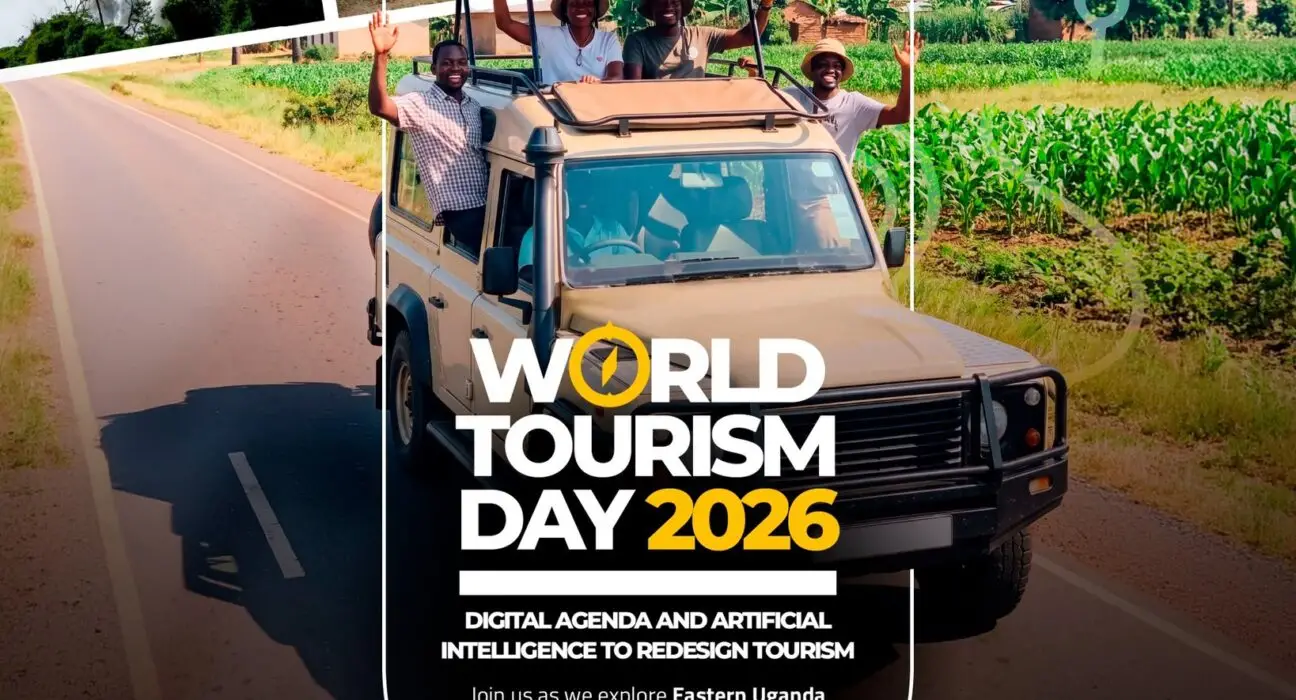
World Tourism Day is celebrated every September 27 to highlight the importance of tourism to economies, communities, culture and sustainable development. This year's celebrations in Uganda will be held in Mbale City, with the national theme focusing on the “Digital Agenda and Artificial Intelligence to Redesign Tourism.”
While Mbale is hosting the national celebrations this year, Kampala remains an important centre in Uganda's tourism industry. UTB and Kampala Capital City Authority have previously partnered to position Kampala as a top-tier tourism destination and gateway to Uganda's premium tourism products.
The capital offers visitors a different side of Uganda beyond traditional wildlife safaris. Tourists can explore historical landmarks, religious sites, cultural centres, royal heritage, restaurants, entertainment venues and Lake Victoria-related attractions, while also experiencing the energy of Uganda's largest urban centre.
UTB has described Kampala as the “face” of Uganda and highlighted its potential to attract both domestic and international visitors. The city's strategic importance is also linked to its position as a gateway through which many travellers begin their journeys to other parts of the country.
But Uganda's tourism story extends far beyond Kampala.
From the mountain gorillas of Bwindi Impenetrable National Park to the powerful waters of Murchison Falls, the snow-capped peaks of the Rwenzori Mountains and the wildlife of Queen Elizabeth National Park, Uganda has a wide range of attractions. UTB's current tourism promotion also highlights adventure experiences, cultural heritage, wildlife and primate tourism as key components of the country's tourism offering.

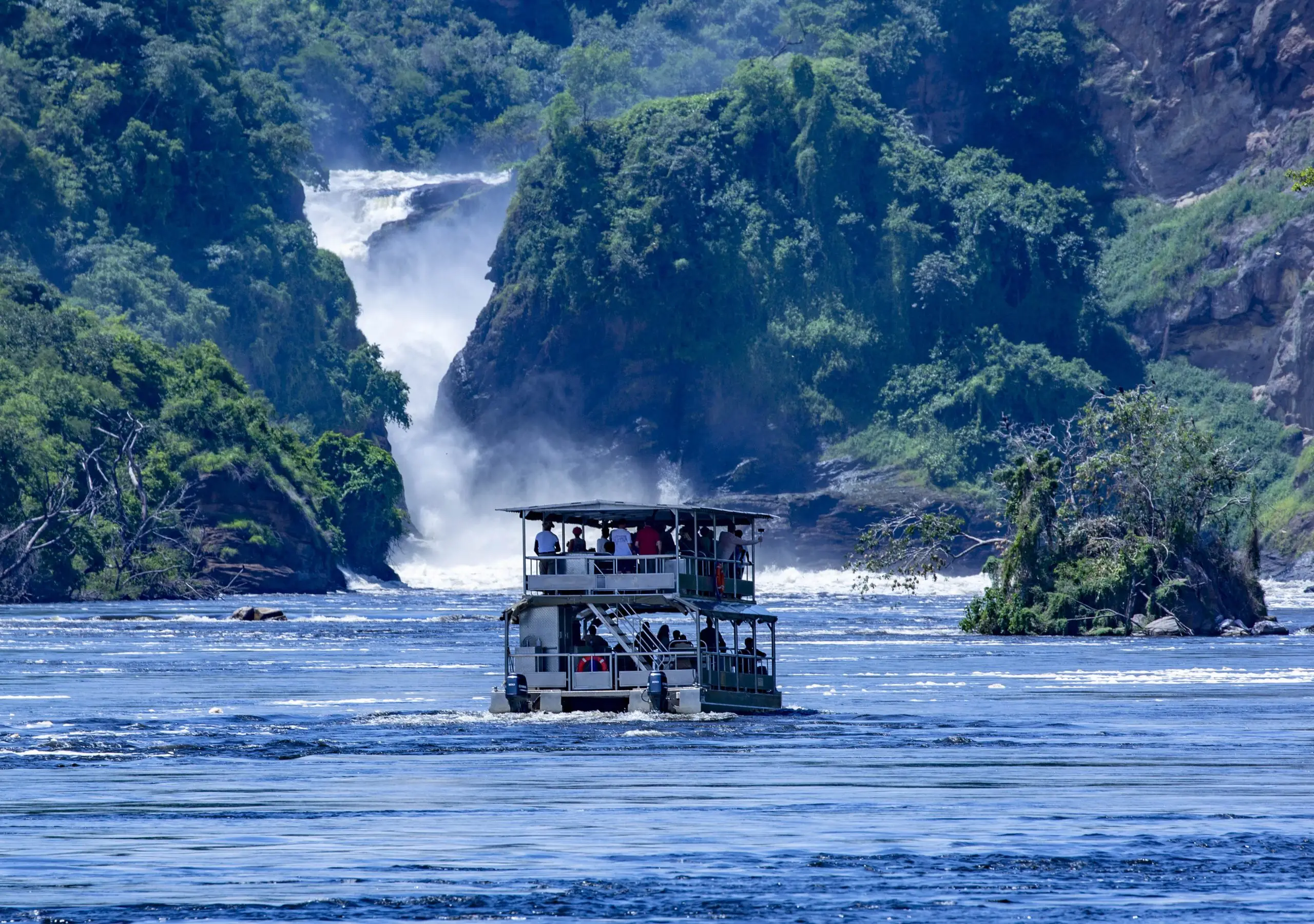
Murchison Falls remains particularly important to the national tourism economy. Recent tourism officials' figures cited by Daily Monitor indicate that the Murchison area generates substantially more tourism revenue than the Bugisu region, demonstrating the economic significance of established tourism destinations.
For Uganda, however, the future of tourism is increasingly about more than simply attracting foreign visitors. Domestic tourism is becoming an important part of the sector's growth strategy, encouraging Ugandans to discover their own country's landscapes, wildlife, culture and heritage.
The tourism sector also provides employment and business opportunities across hotels, transport, guiding, restaurants, entertainment, handicrafts and agriculture.
As Uganda celebrates World Tourism Day, the message from tourism authorities is increasingly focused on innovation and visibility. Artificial intelligence and digital platforms are changing how travellers discover destinations, compare experiences and plan journeys. Uganda's tourism industry is therefore looking to use technology to make its attractions easier to discover and connect tourism businesses with travellers.
The celebration in Mbale provides an opportunity to shine a light on Eastern Uganda, but it also reinforces a bigger national message: Uganda's tourism strength lies in the variety of experiences found across the country.
From Kampala's urban energy to the mountains, forests, rivers, lakes, wildlife and cultural sites scattered across the country, Uganda continues to market itself under the destination brand “Explore Uganda, The Pearl of Africa.”
On World Tourism Day, the invitation is therefore simple: explore Uganda, experience its beauty and help tourism become a stronger source of jobs, investment and opportunity for Ugandans.