By; Admin

Photo : The late Tamale Mirundi , Ugandan journalist ,Author & Political commentator whose writings examined Uganda's Complex Politics & Power struggles.
There is something almost prophetic about the title of the late Joseph Tamale Mirundi’s book, From Crown Prince to Commoner.
Published in 2013, the book became part of Mirundi’s wider collection of writings on Uganda’s political power struggles and the personalities surrounding President Yoweri Museveni. Contemporary accounts list it among Mirundi’s political books, alongside works examining the presidency, succession and Uganda’s political class.
More than a decade later, the title continues to invite a question in Uganda’s political conversation: what happens when someone who appears destined for power fails to understand the dangers that come with being regarded as the next heir?
That question has gained renewed attention as Uganda continues to debate political succession and the future of the ruling establishment.
Mirundi understood one important reality of Ugandan politics: being close to power is not the same as possessing power.
The phrase “crown prince” carries enormous political symbolism. It suggests someone who is perceived to be close to the throne, surrounded by expectations, influence and powerful networks. But history repeatedly shows that political succession is rarely as straightforward as it appears from the outside.
A crown prince can have access, visibility and powerful connections, yet still face resistance, competing ambitions and changing political circumstances.
This is where Mirundi’s book acquires a new relevance.
The late journalist spent years inside State House as President Museveni’s press secretary and later became one of Uganda’s most outspoken political commentators. He was therefore familiar with the machinery, personalities and rivalries that surround political power. He authored several books dealing with Uganda’s political landscape and personalities.
Mirundi’s political career itself became an illustration of the complicated relationship between proximity and power. After about 13 years as presidential press secretary, he left the position in 2015 and continued his career as a commentator and author.
That experience makes From Crown Prince to Commoner more than just a provocative title.
It raises a broader political lesson: never confuse expectation with succession.

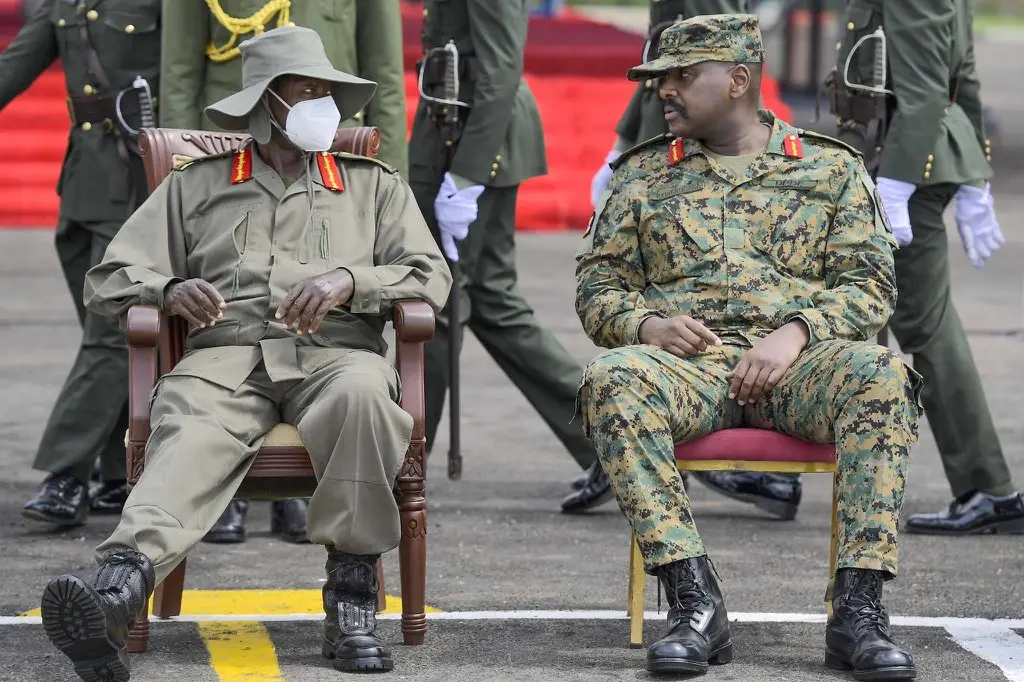
In Uganda today, discussions about the future leadership of the country frequently focus on President Museveni’s succession. Gen. Muhoozi Kainerugaba has increasingly become part of that conversation, with supporters openly discussing his political future.
But political succession is not determined simply by family connections, public speculation, endorsements or the enthusiasm of supporters. It involves institutions, political alliances, public acceptance, competing interests and the ability to navigate Uganda’s complex political environment.
That is why Mirundi’s old title continues to resonate.
The real question is not whether Uganda has a “crown prince.” The question is whether those being positioned around the succession debate have studied the history of those who came before them.
A political heir who ignores history risks repeating it.
Mirundi spent much of his career warning Ugandans that politics is rarely what it appears to be on the surface. His books, broadcasts and political commentary were often built around the hidden battles behind public power.
His Crown Prince therefore leaves behind a lesson that remains open for interpretation.
Perhaps the greatest danger facing any political heir is believing that the crown is already his simply because others have begun calling him the next king.
In politics, the throne is never inherited merely through expectation.