By : Ibrahim Kigozi G
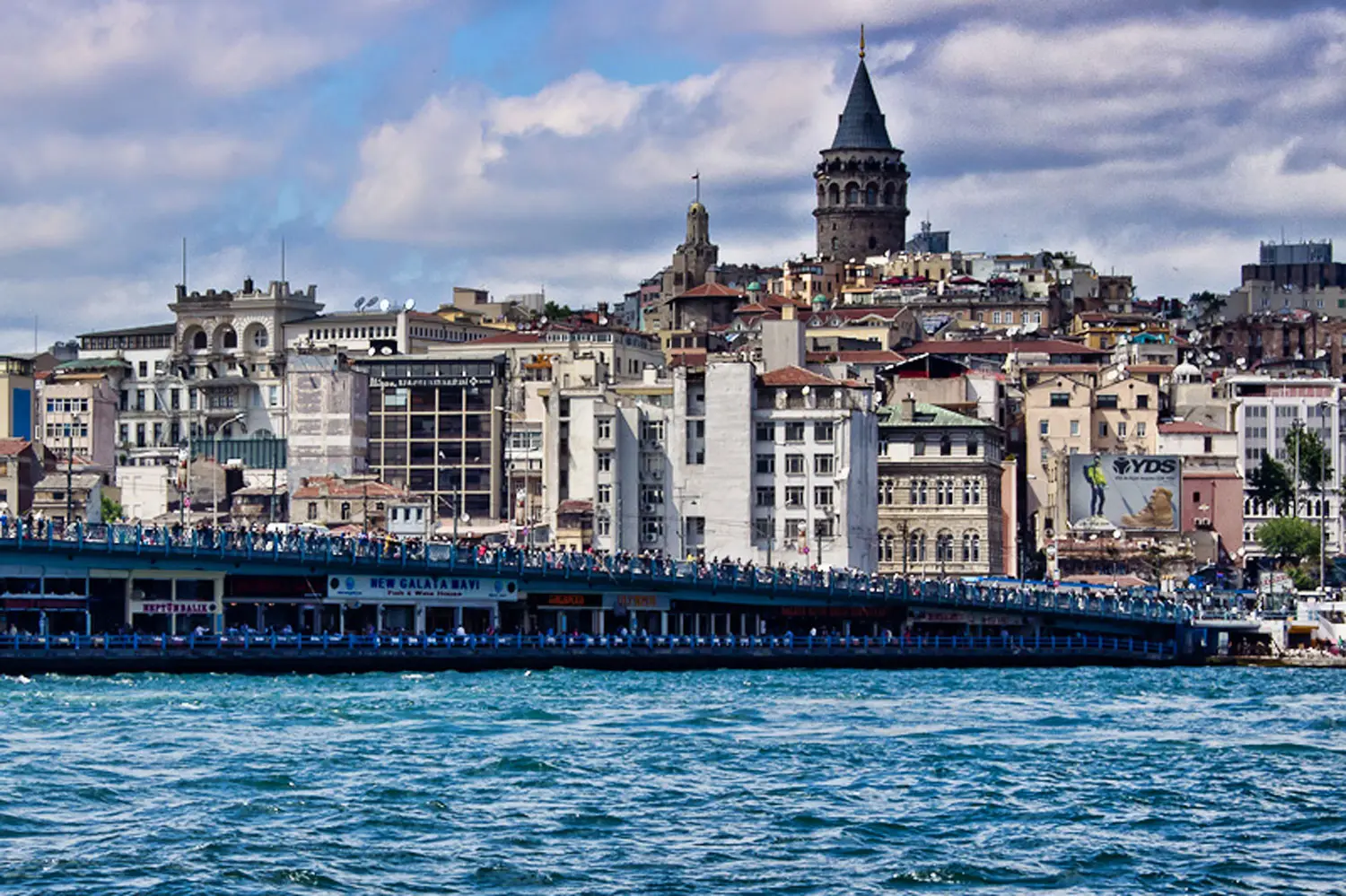
There are countries that attract visitors because of their beauty, countries that fascinate people because of their history, and countries that capture attention because of their economic potential. Türkiye is remarkable because it brings all these qualities together in one extraordinary national story. Positioned between Europe and Asia, Türkiye has for centuries served as a bridge between peoples, cultures, civilizations and markets. Its geographical location has not only shaped its history but has also influenced its cuisine, architecture, traditions, trade and modern identity.
Today, Türkiye presents a fascinating combination of ancient heritage and modern ambition—a country where historic landmarks stand alongside modern infrastructure, where traditional markets coexist with contemporary shopping centres, and where centuries-old cultural practices remain part of everyday life.
A Country Between Two Continents.
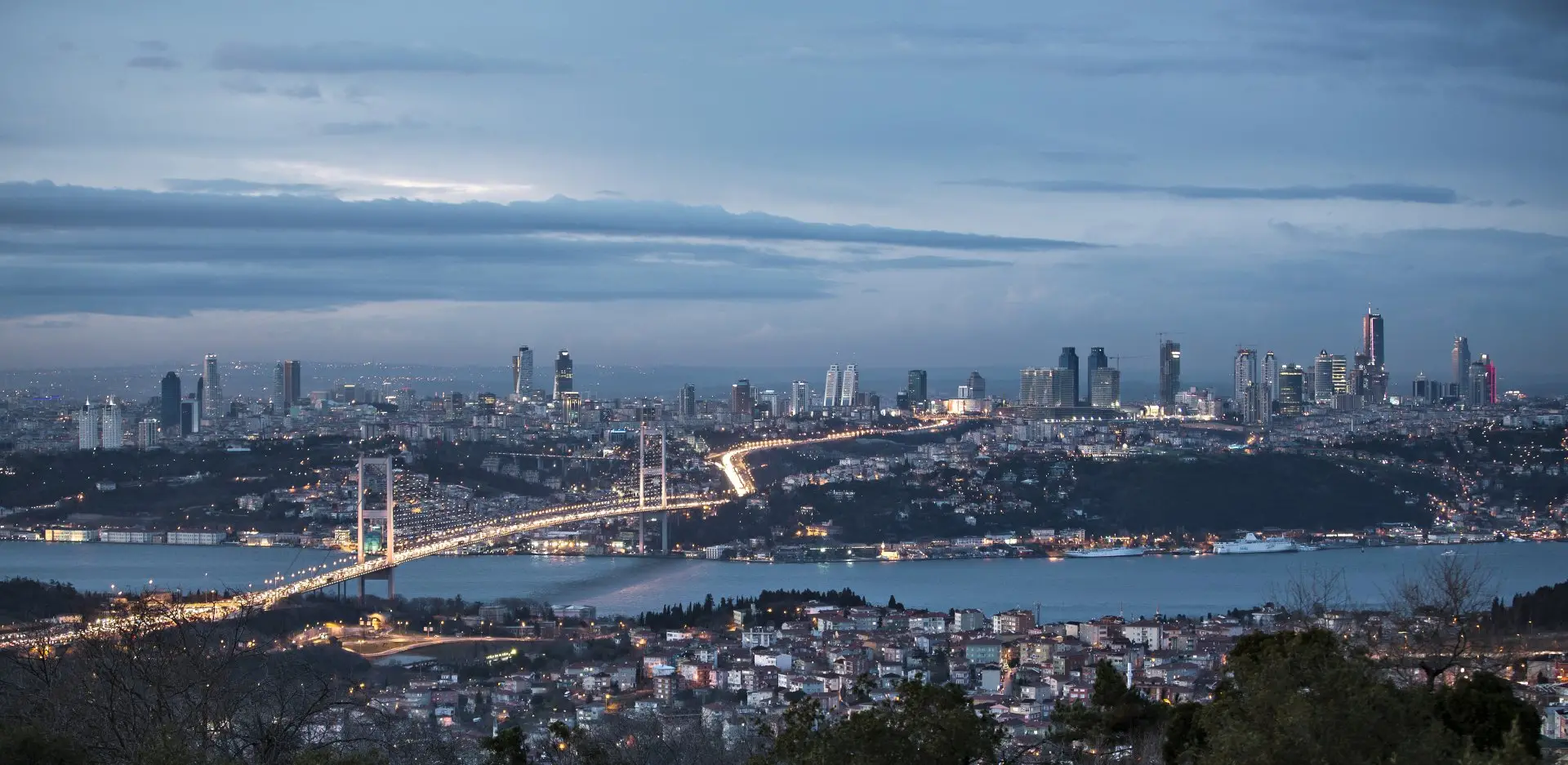
Perhaps the most obvious feature that makes Türkiye unique is its geography. Türkiye is a transcontinental country, with territory in both Europe and Asia. The Bosphorus Strait separates the European and Asian sides of Istanbul, making the city one of the world's most distinctive urban centres. For centuries, this geographical position made the region an important meeting point for trade and cultural exchange. Today, the same position continues to give Türkiye strategic importance in international commerce, transportation, tourism and diplomacy.
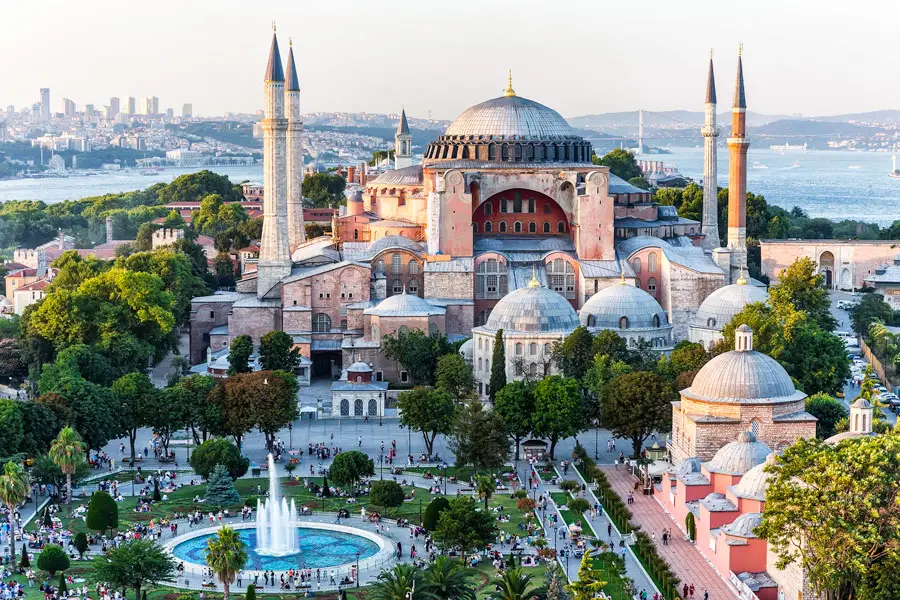
Photo : Showing Hagia Sophia stands as one of Instanbul's most recognisable landmarks, reflecting the layers of history that have shaped Turkiye.
The country's location allows it to maintain strong connections with European markets while also maintaining deep historical and commercial relationships with the Middle East, Central Asia, Africa and other parts of the world. It is this combination of geography and history that gives Türkiye an identity that cannot easily be placed into a single category.
Istanbul: A City That Tells the Turkish Story
For many international visitors, Istanbul provides their first introduction to Türkiye. The city is famous for its spectacular skyline, historic architecture, busy markets, waterways and diverse cultural life. The Bosphorus provides a dramatic setting, with ferries moving between the European and Asian sides of the city. Historic sites such as Hagia Sophia, the Blue Mosque and Topkapı Palace reflect different chapters of Istanbul's long history.
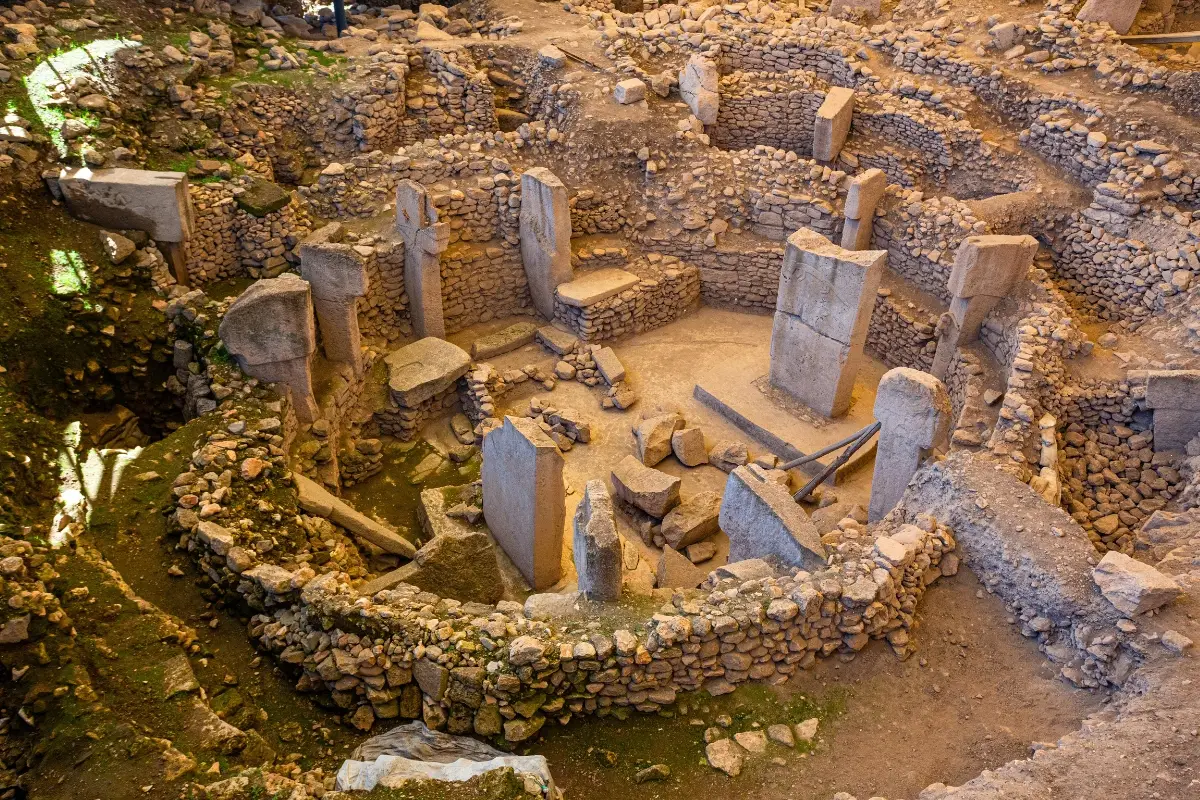
Photo: Showing Ancient ruins across Turkiye provide a window into civilisations that shaped the region over thousands of years.
Yet Istanbul is not simply a city looking into the past. It is also a modern commercial and cultural centre filled with businesses, universities, restaurants, technology companies, shopping districts and creative industries. That coexistence of the old and the new is one of Istanbul's greatest attractions.
A Land Shaped by Civilizations
Türkiye's uniqueness cannot be understood without looking at its history. The territory that makes up modern Türkiye has been home to numerous civilizations and empires. Ancient Greek, Roman, Byzantine and Ottoman influences can be found across different parts of the country. Visitors can encounter ancient ruins, archaeological sites, historic mosques, churches, palaces, fortifications and traditional settlements.
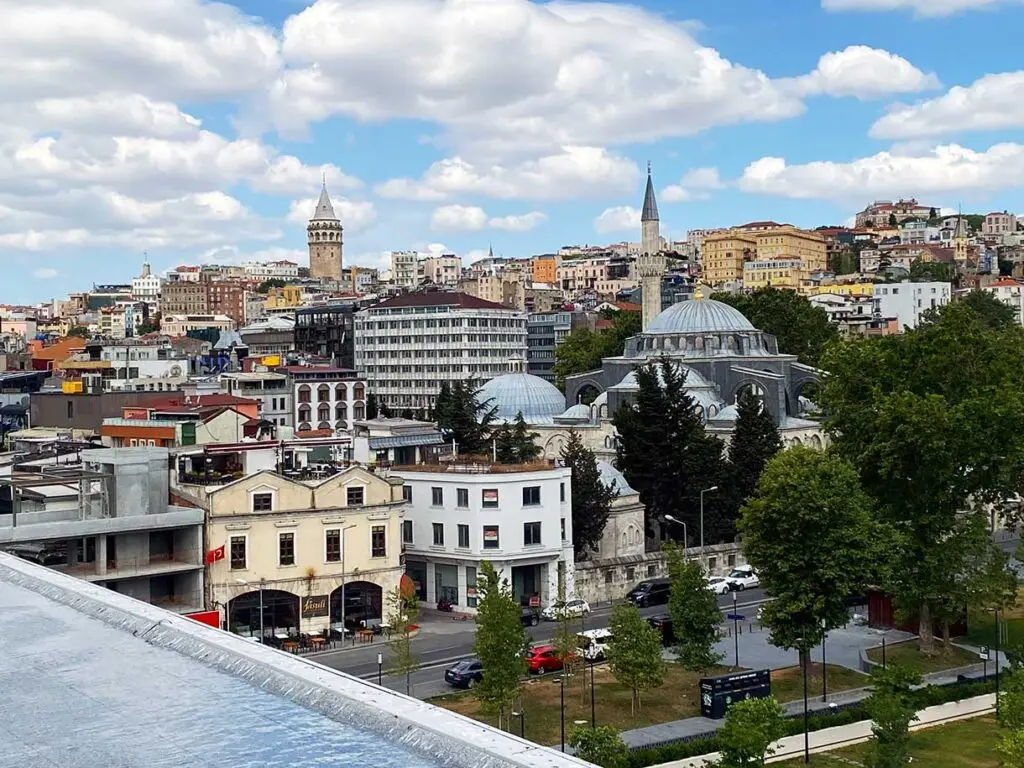
Photo: Modern Instanbul combines historic identity with ambitious urban development , business and innovation.
This extraordinary heritage means that travelling across Türkiye can feel like moving through different periods of human history. One of the country's strengths is the way much of this heritage remains visible and connected to contemporary life. History is not confined to museums; in many cities, it is part of the streets, buildings, food, traditions and local communities.
Cappadocia and the Beauty of Nature
Beyond its cities and historic monuments, Türkiye is also famous for its natural landscapes. Cappadocia is perhaps one of the most recognizable examples. Its unusual rock formations, underground cities and cave settlements have created a landscape unlike many places elsewhere in the world. Hot-air balloons floating above Cappadocia at sunrise have become an internationally recognized image of Turkish tourism.
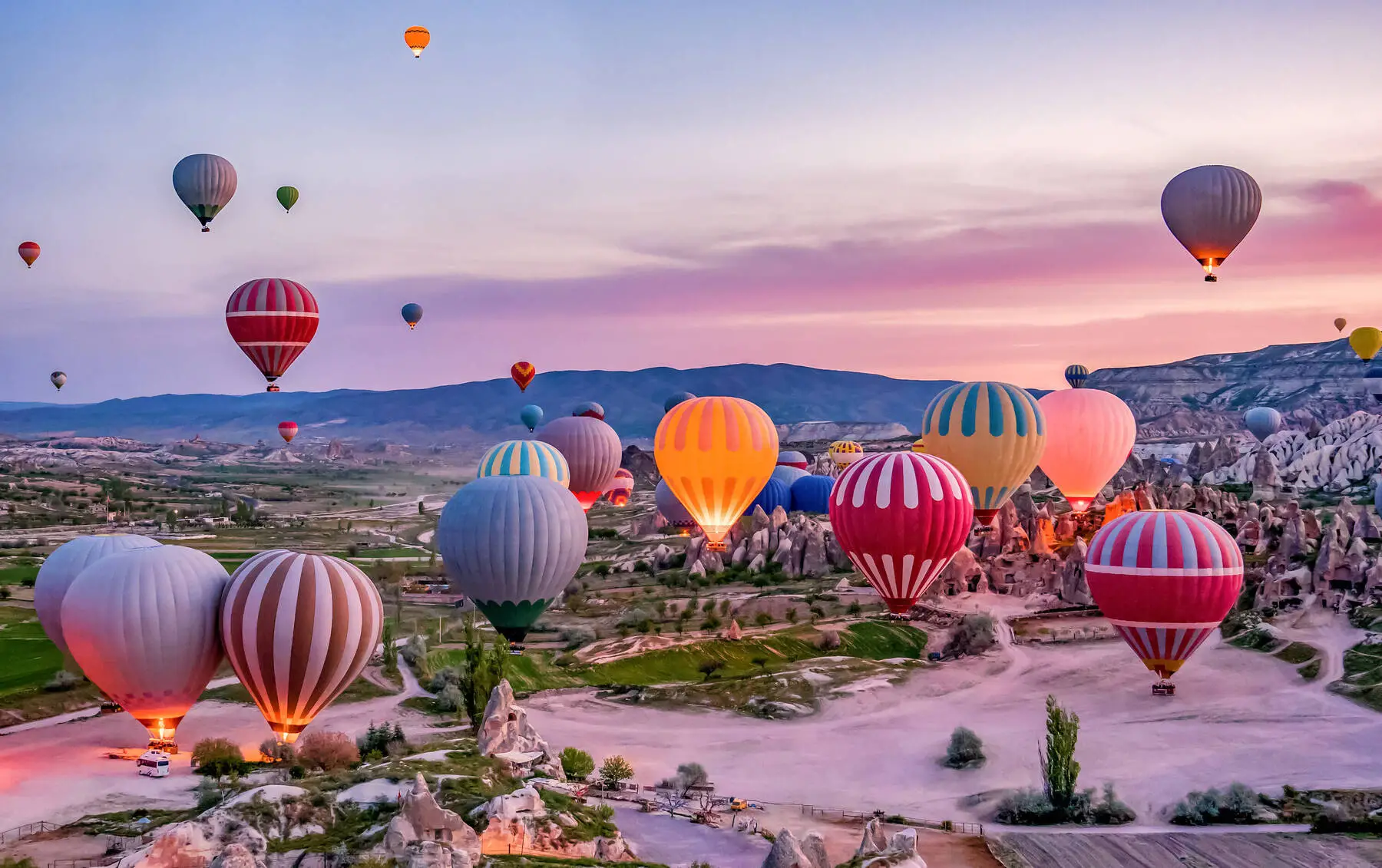
But Cappadocia is only one part of the country's natural diversity. Türkiye also has Mediterranean and Aegean coastlines, mountains, forests, lakes, valleys and beaches. This geographical diversity creates opportunities for different forms of tourism, from cultural and historical travel to beach holidays, adventure tourism and nature exploration.
Turkish Hospitality and Culture
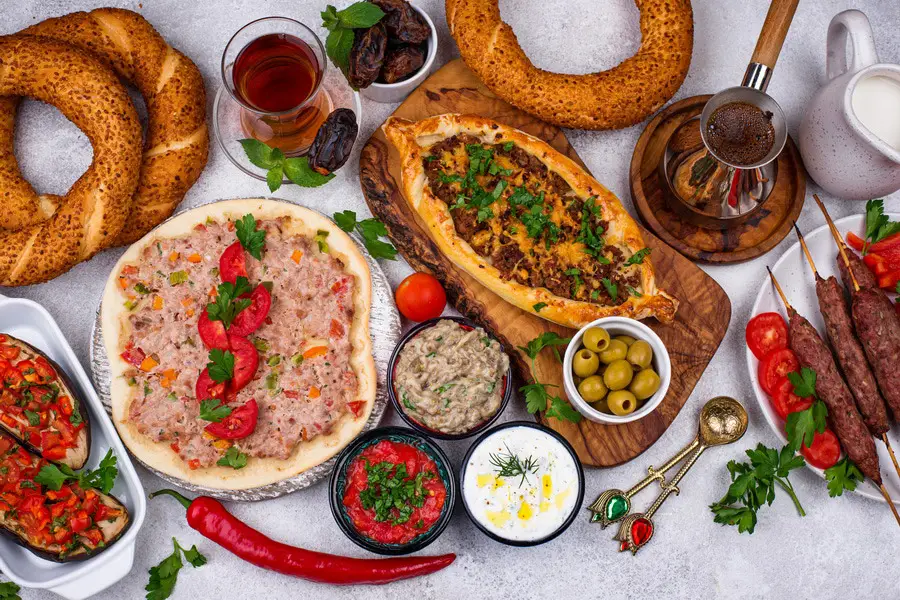
Turkish cuisine is another reason the country stands out.Although dishes such as kebabs, baklava and Turkish delight are internationally famous, Turkish food extends far beyond these well-known products. Different regions have developed their own flavours, cooking methods and specialties. Fresh vegetables, grains, meat, seafood, dairy products, spices and herbs all play important roles.
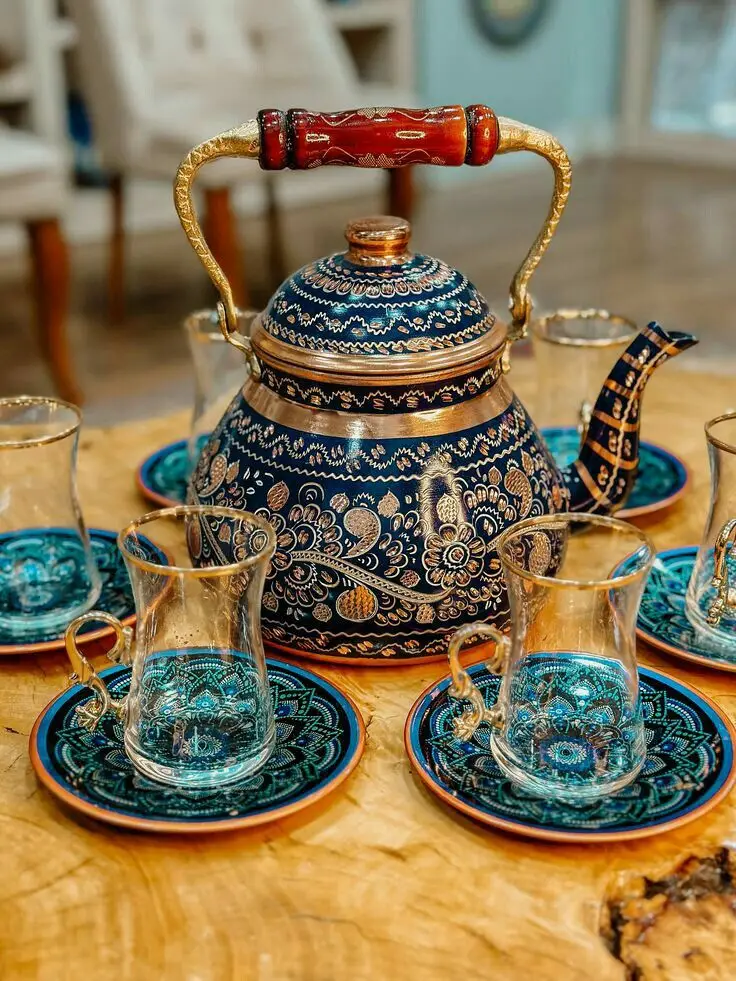
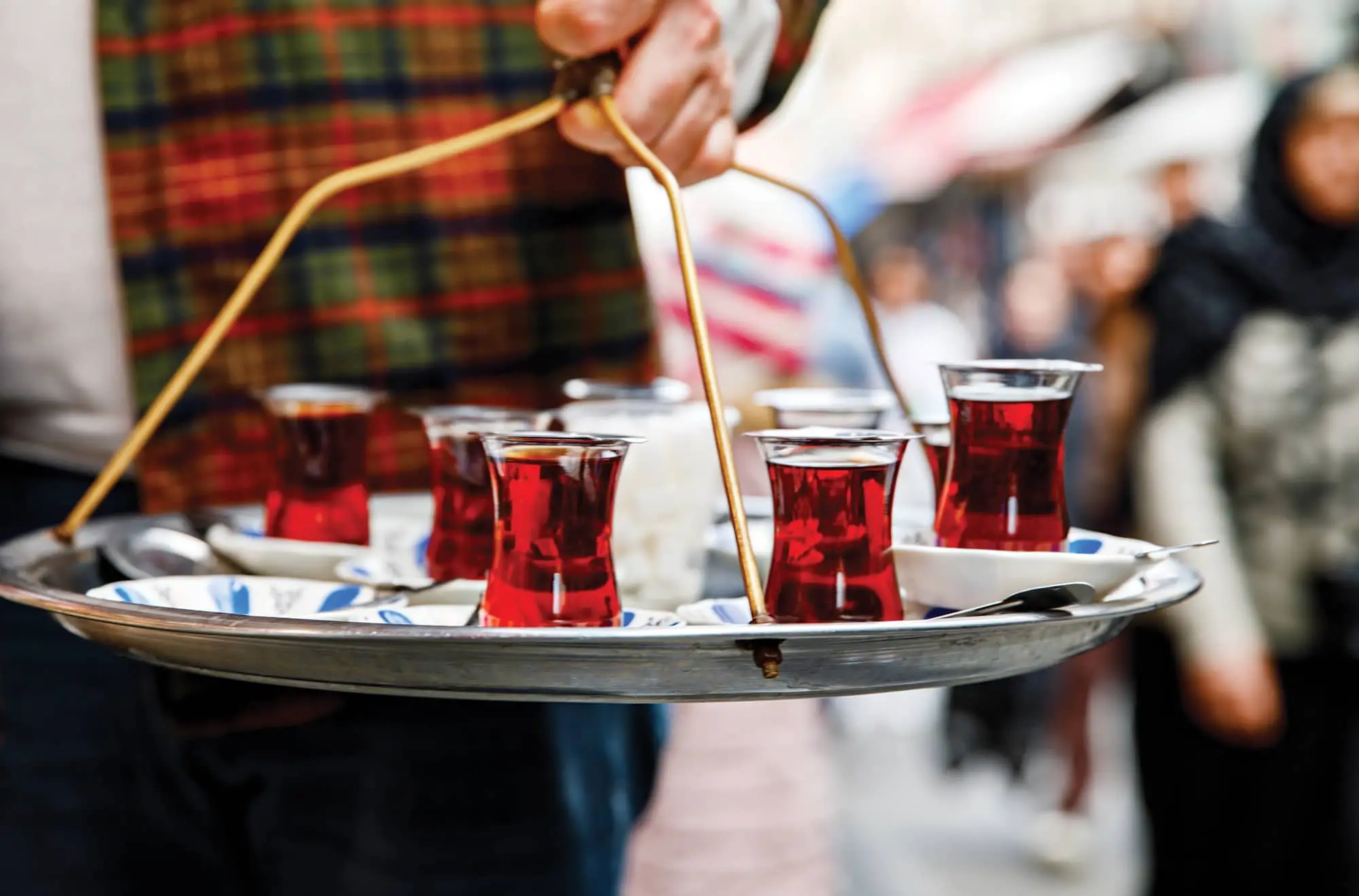
Photo : Showing ,Turkish tea....Turkish tea is more than a drink - it is part of a hospitality culture that brings people together.
Meze, pide, soups, pastries and grilled foods are among the many dishes that form part of Turkish culinary culture. Food in Türkiye is also strongly connected to hospitality. Sharing a meal is often about more than eating; it is an opportunity for people to connect. For international visitors, therefore, experiencing Türkiye can become a culinary journey as much as a geographical one.
A Modern and Ambitious Economy
While Türkiye is deeply connected to its past, it is equally focused on the future. The country has developed important capabilities across manufacturing, construction, textiles, automotive production, agriculture, tourism, logistics, food processing and other sectors. Its strategic geographical position provides an important advantage for businesses looking to connect different markets.
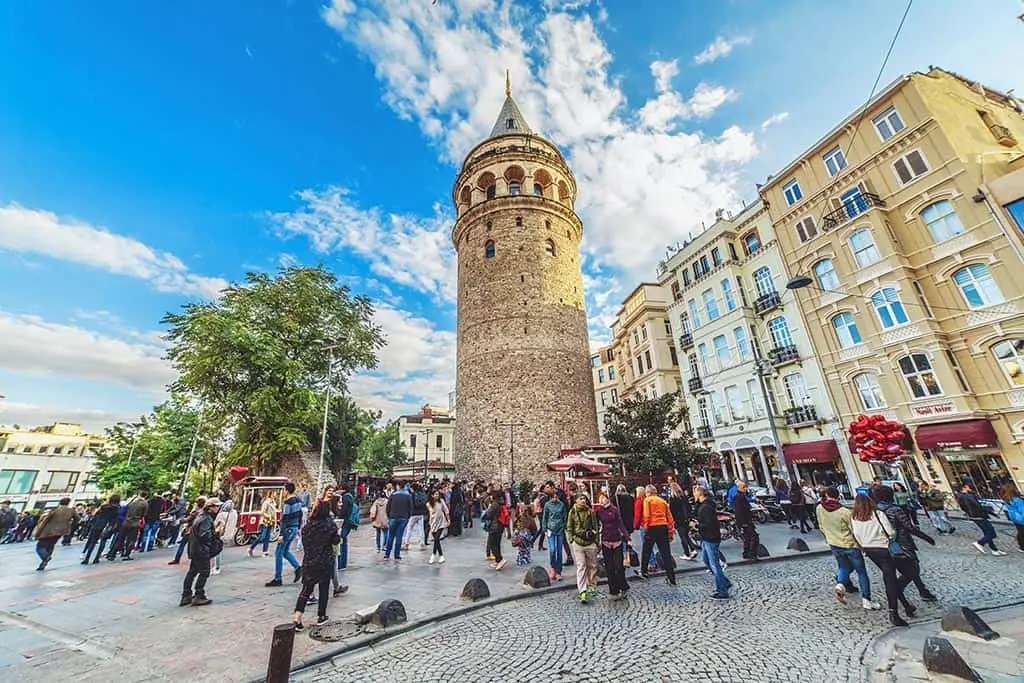
Photo : Showing business in the Modern Instanbul.
For investors and international businesses, Türkiye's appeal extends beyond tourism. Its infrastructure, industrial capacity, large domestic market and connections to surrounding regions have helped establish it as an important economic player. This creates opportunities for partnerships between Turkish companies and businesses in other parts of the world.
Türkiye and Africa: A Growing Opportunity
For African countries, Türkiye can also be viewed through the lens of partnership. Trade, investment, education, tourism, construction, agriculture and technology are among the areas where relationships between Türkiye and African markets can continue to develop. For countries such as Uganda, stronger people-to-people and business connections with Türkiye could create opportunities for entrepreneurs, investors, students, tourism operators and companies.
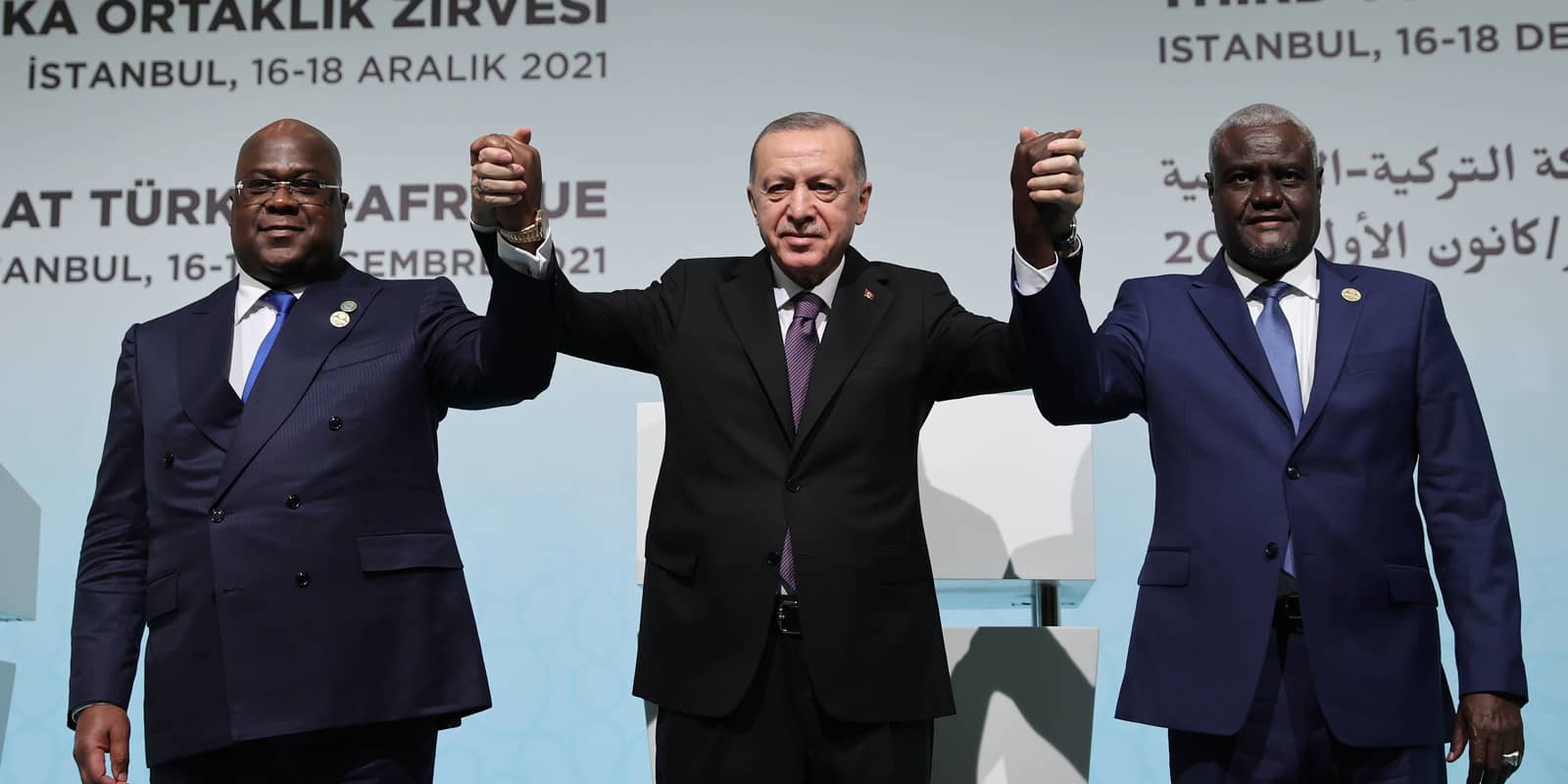
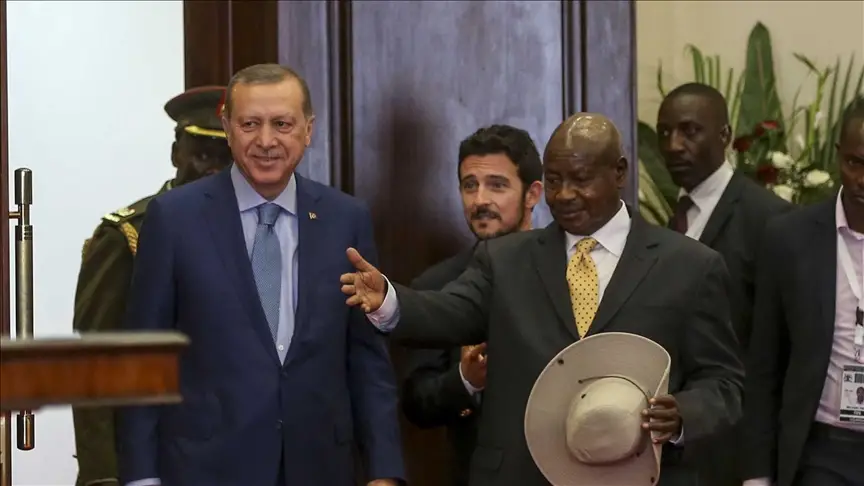
Ugandan businesses can explore partnerships in areas such as agricultural value addition, manufacturing, construction, hospitality, tourism, education and technology. At the same time, Türkiye can benefit from Africa's growing markets, young population, natural resources and expanding entrepreneurial ecosystem. The relationship therefore has the potential to move beyond traditional trade towards deeper investment and knowledge partnerships.
From Tradition to Innovation
One of the most interesting things about Türkiye is that modernization has not completely replaced tradition. A visitor can experience modern airports, highways, universities and commercial districts while also encountering historic neighbourhoods, traditional crafts, local markets and centuries-old customs.
This creates an environment where innovation and heritage exist side by side. For a country with such a long history, maintaining cultural identity while participating in an increasingly connected global economy is itself a significant achievement.
Why Türkiye Continues to Attract the World
Türkiye's global appeal comes from this combination of qualities. It offers history without being trapped in the past. It offers modernity without completely abandoning tradition. It offers business opportunities alongside tourism. It offers major cities alongside spectacular natural landscapes. Most importantly, Türkiye provides a meeting point.
Photo: Showing some parts of Hagia Sophia in Instanbul.
It is a meeting point between Europe and Asia, between ancient history and modern development, and between different cultures and markets. That position has shaped the country for centuries and continues to influence its future.
The Türkiye Experience
For someone visiting Türkiye for the first time, the country may initially appear to be a collection of famous attractions—mosques, palaces, markets, beaches, ancient ruins and modern cities.But the deeper experience lies in how these elements connect. The sound of a ferry crossing the Bosphorus, the hospitality of a Turkish family, the aroma of food from a local restaurant, the architecture of an ancient building and the energy of a modern business district can all become part of the same journey.
That is perhaps the true uniqueness of Türkiye.It is not simply a country between two continents.It is a country where different histories, cultures, ideas and opportunities continue to meet.
A Country Looking Forward
As the world becomes increasingly connected, Türkiye's unique geographical and cultural position may become even more valuable.Its relationship with Europe, Asia, the Middle East and Africa gives it the potential to remain an important destination for tourists, students, entrepreneurs, investors and international partners. For Uganda and the wider African continent, understanding Türkiye as more than a tourist destination could open the door to new conversations about trade, investment, education, technology and cultural exchange.
Türkiye's story is ultimately a story of connection.It is the story of a country that has spent centuries at the crossroads of civilizations—and continues to use that position to build its place in the modern world.
Türkiye is unique not because it belongs to one world, but because it connects many worlds.