By: Ibrahim Kigozi G |
The streets may still be busy. Businesses may still open. Parliament may still sit. Government institutions may continue operating.
But one question increasingly hangs over Uganda's political conversation:
Is Uganda really the same without Bobi Wine?
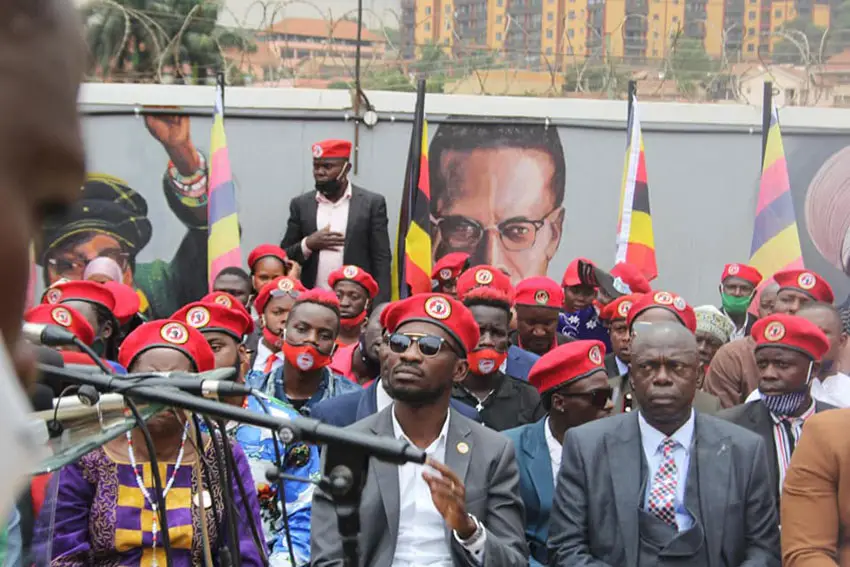
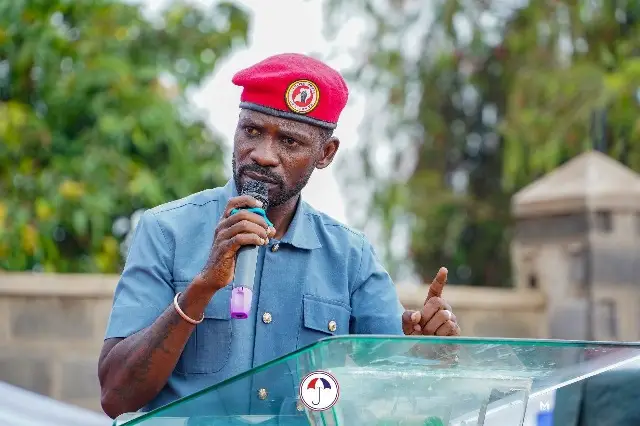
Photo : NUP President Robert Kyagulanyi Ssentamu during one of the Press Conferences at their first headquarters at Kamwokya.
The question became more relevant after supporters marked the first National Bobi Wine Day on September 6, 2026. While the day generated solidarity among sections of his supporters and online communities, some observers felt that the public excitement was lower than expected. That quieter atmosphere has reopened an important debate—not only about Bobi Wine himself, but about the strength of the political movement built around him.
Uganda Will Continue—But the Political Conversation Changes
The simplest answer is that Uganda, as a country and state, will continue without any individual political leader.
No politician is bigger than a nation. Uganda existed before Robert Kyagulanyi Ssentamu, popularly known as Bobi Wine, entered politics, and the country will continue regardless of the presence or absence of any single political figure. However, the more complicated question is whether Uganda's political atmosphere, opposition politics and youth mobilization remain the same without him.
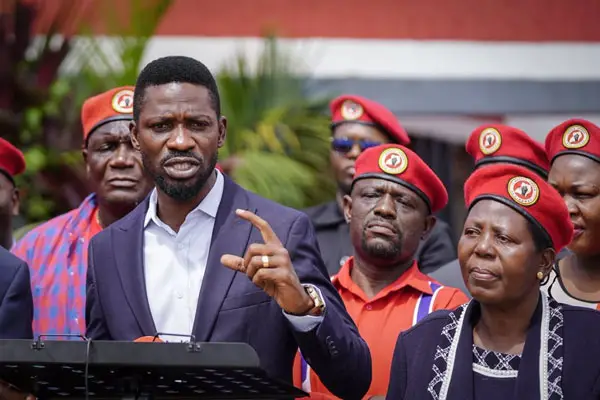
Photo : NUP President Robert Kyagulanyi Ssentamu addressing the Party members at Kamwokya with some of the Party leaders.
On that question, the answer is arguably no.
Bobi Wine has become one of the most recognizable political figures of his generation. His rise from music into national politics created a new political language—one that connected entertainment, youth culture, social media, urban mobilization and demands for political change. His importance is reflected in the fact that he was widely regarded as President Yoweri Museveni's principal challenger during the 2026 presidential election.
The Man Who Became a Movement
For many supporters, Bobi Wine is not simply a politician. He is a symbol.
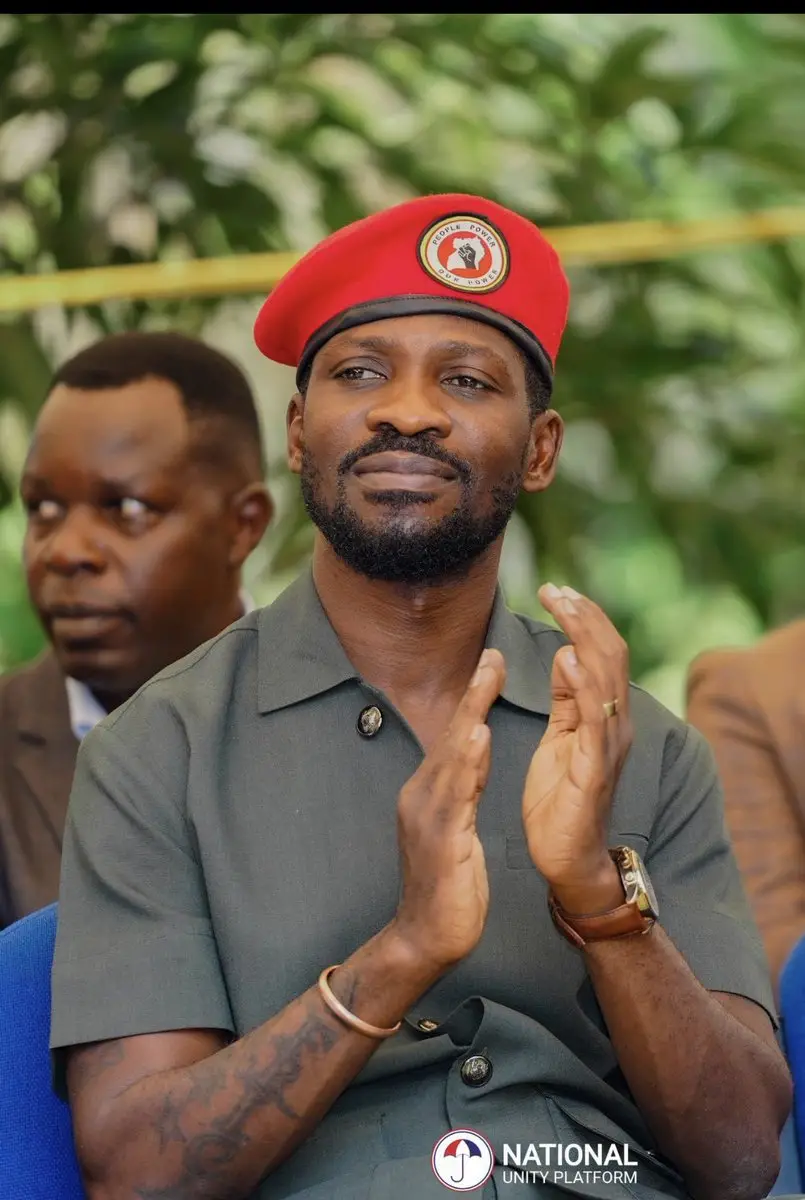
Photo : NUP President Robert Kyagulanyi Ssentamu meeting NUP member's and leaders at his Home in Magere - Wakiso District.
To some, he represents resistance against a political system they believe has excluded young people. To others, he represents the hope of generational change. To critics, he is a highly polarising political figure whose personality has become bigger than the institutions around him.
But whether one supports or opposes him, it is difficult to deny that Bobi Wine has changed the tone of Ugandan politics. The National Unity Platform became one of the country's most significant opposition forces, while Bobi Wine himself emerged as the face of a political movement that speaks strongly to younger Ugandans.
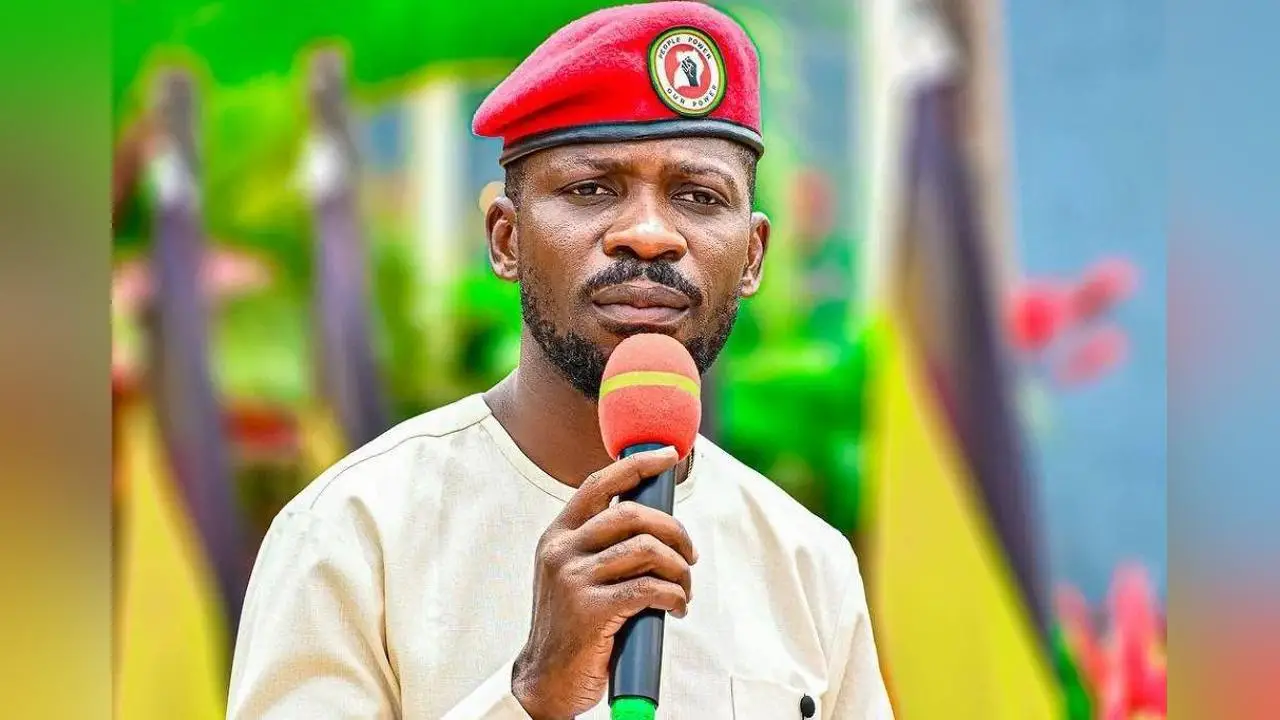
That is why his absence from the country has created an important political test. However, it should be remembered that in march 2026,Bobi temporarily left Uganda after spending two months in hiding following the disputed January election, saying he would return at the appropriate time.
Can People Power Survive Without Bobi Wine?
This may be the biggest question of all. A political movement that depends entirely on one individual is vulnerable. When that individual is absent, imprisoned, exiled, retires or loses popularity, the movement can suddenly lose momentum. Reports earlier this year described Bobi Wine's departure as a significant moment for opposition politics, with questions emerging about leadership and the future of NUP during his absence.
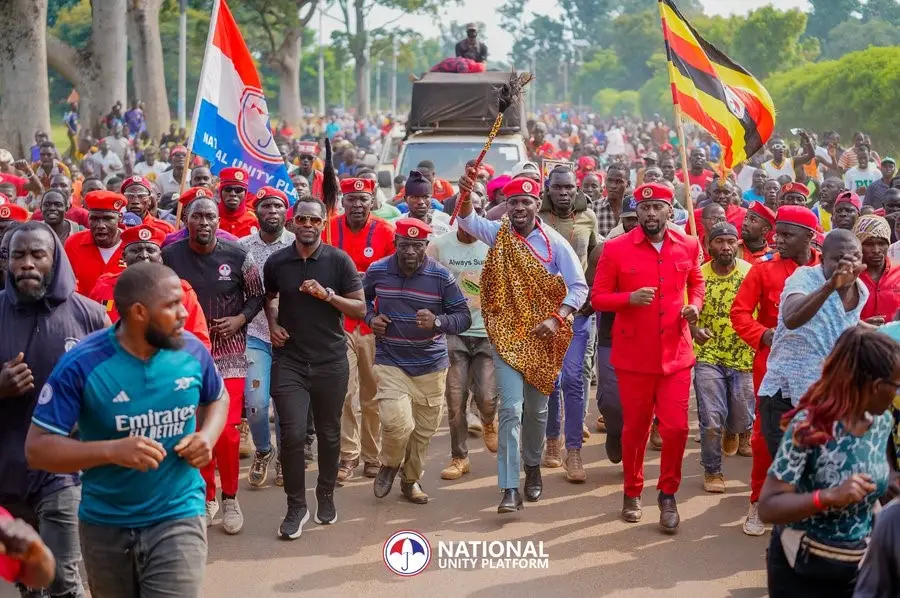
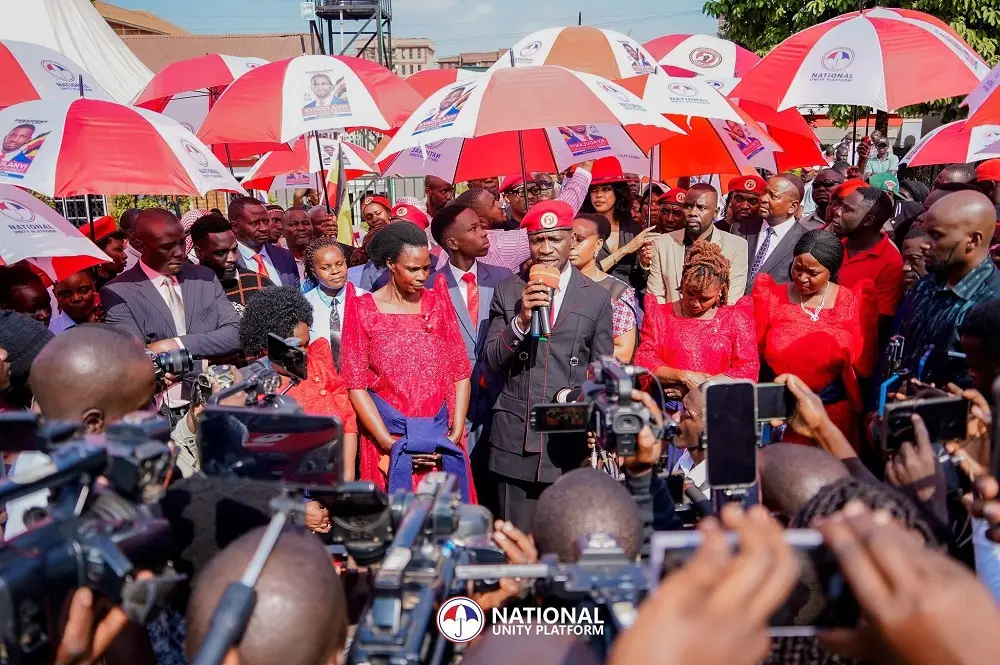
Therefore, the relatively low-key atmosphere surrounding the first National Bobi Wine Day could be interpreted in two different ways. The first interpretation is negative: Perhaps the movement's energy depends heavily on Bobi Wine's physical presence. The second interpretation is more strategic: Perhaps the movement is entering a difficult transition from personality-driven mobilization to institution-driven politics.
A day of celebration does not automatically measure political strength. Online engagement, fear, security concerns, political fatigue, economic pressures and the absence of a central public gathering can all affect turnout and visibility. But the question remains: Can People Power organise when Bobi Wine is not physically present to energise the crowds?
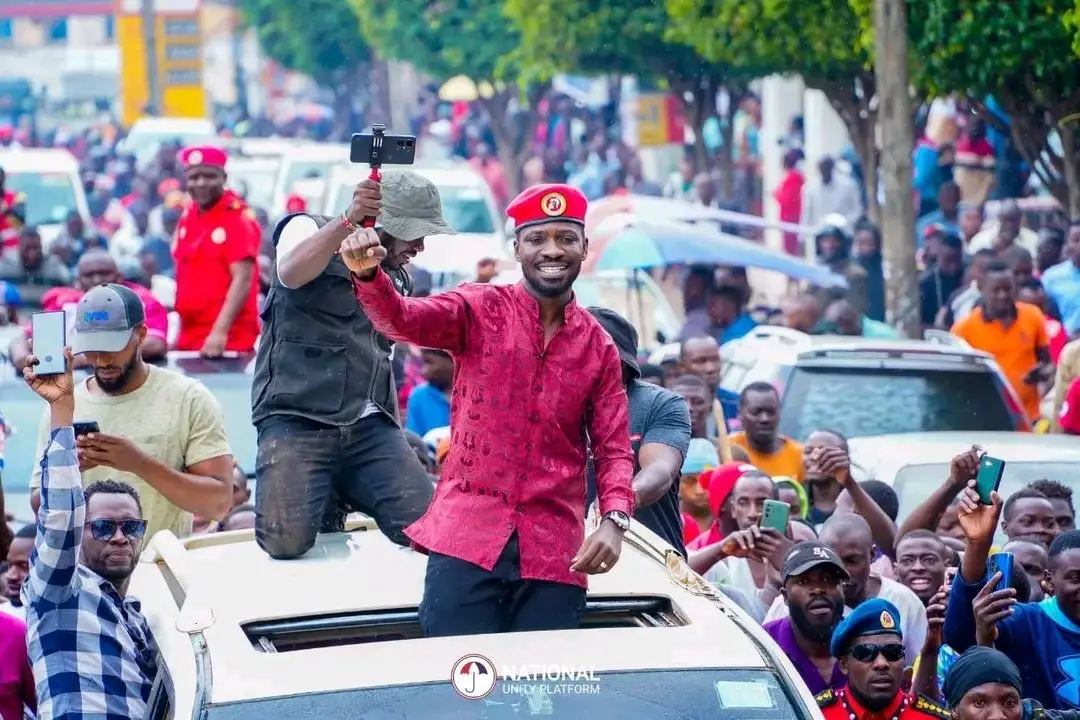
Photo : NUP President Robert Kyagulanyi Ssentamu during one of the Campagin trail in 2021 General Elections.
The Opposition Vacuum
Bobi Wine's absence has also highlighted a wider challenge within Uganda's opposition. For years, opposition politics has often revolved around powerful personalities. When a major opposition leader is removed from the centre of the political stage, a vacuum can quickly emerge. This creates opportunities for new leaders—but also exposes weaknesses.
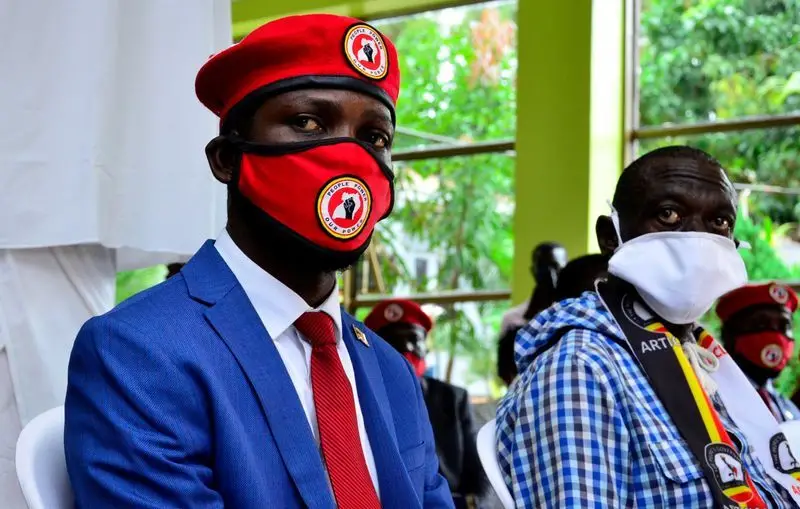
Photo : NUP President Robert Kyagulanyi Ssentamu with Dr. Col. Kizza Besigye during the launch of United Forces of Change towards 2021 General Elections.
Who speaks for the movement?
Who mobilises supporters?
Who negotiates political alliances?
Who protects party structures?
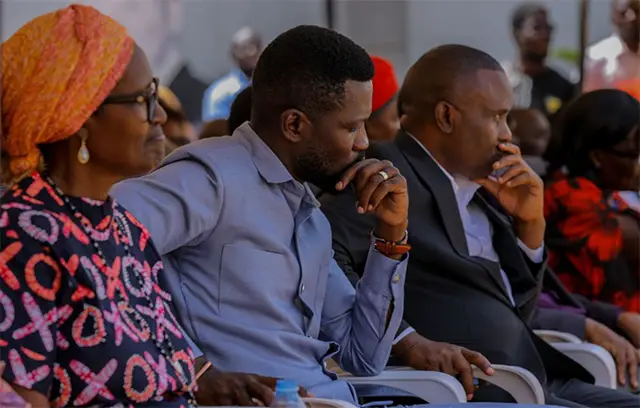
Photo : Dr.Kizza Besigye's wife Hon. Winnie Byanyima , NUP President Robert Kyagulanyi Ssentamu and Former Lord Mayor Elias Lukwago at NUP Headquarters towards 2026 General Elections .
And perhaps most importantly: Who can inspire ordinary Ugandans to believe that political change remains possible? These questions are bigger than Bobi Wine. They concern the future of opposition politics in Uganda.
Bobi Wine Is Not Uganda—But He Has Become Part of Uganda's Political Identity
There is an important distinction that must be made. Uganda is bigger than Bobi Wine. The country cannot depend on one politician. Its economy, institutions, communities, businesses, farmers, workers, religious institutions and millions of ordinary citizens must continue regardless of political personalities. But at the same time, Bobi Wine has become an important part of Uganda's modern political identity.
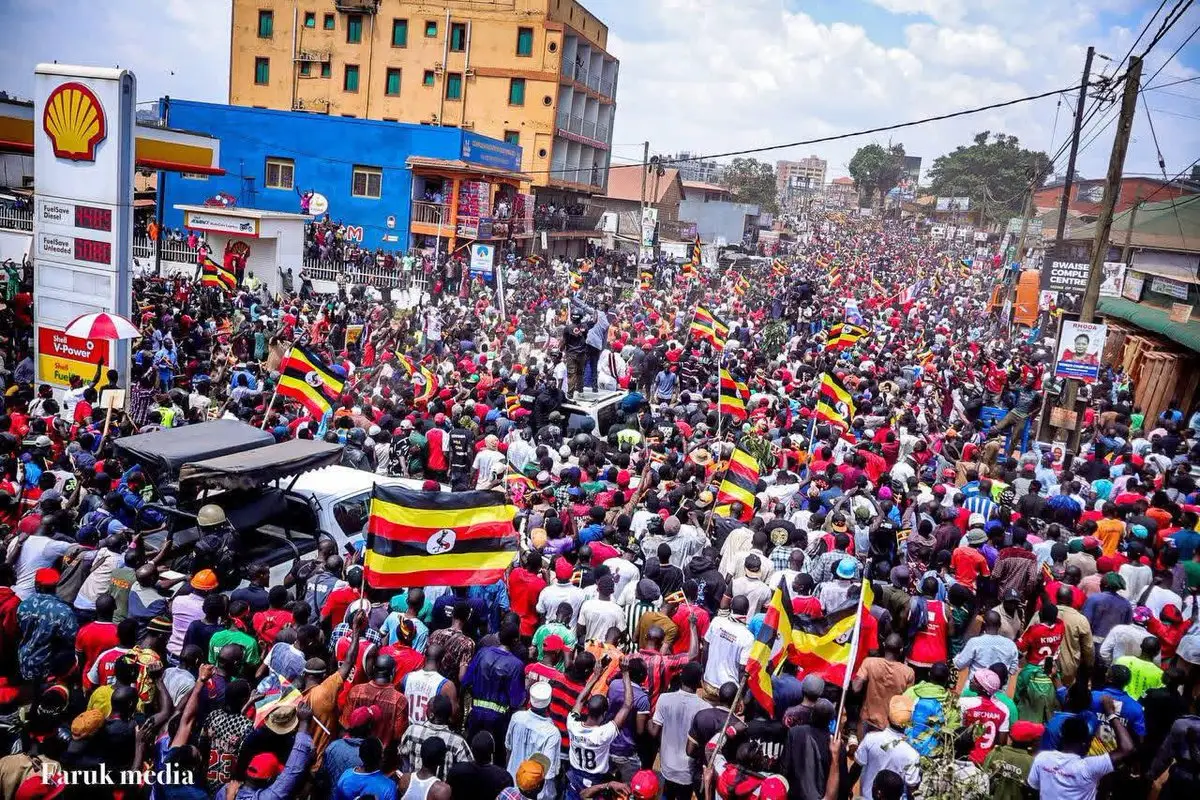
Photo : NUP President Robert Kyagulanyi Ssentamu during his campaign rally in Kawempe Division at the last General Elections this year,2026
He has influenced political language. He has changed campaign culture. He has introduced new forms of youth participation. He has made social media an increasingly important political battlefield. And he has helped transform the relationship between entertainment and politics in Uganda. Even while outside the country, reports have described him as continuing political and international engagement, including efforts to mobilize attention abroad around Uganda's political situation.
Is the Low Vibe a Warning Sign?
The first National Bobi Wine Day may not have produced the level of public excitement that some supporters imagined. But it would be premature to conclude from one day that Bobi Wine's political influence has disappeared. Political movements experience high and low moments.
After elections, movements can suffer fatigue. Supporters may become disappointed, discouraged or fearful. Organizer's may struggle with resources and coordination. The real test will be what happens next.
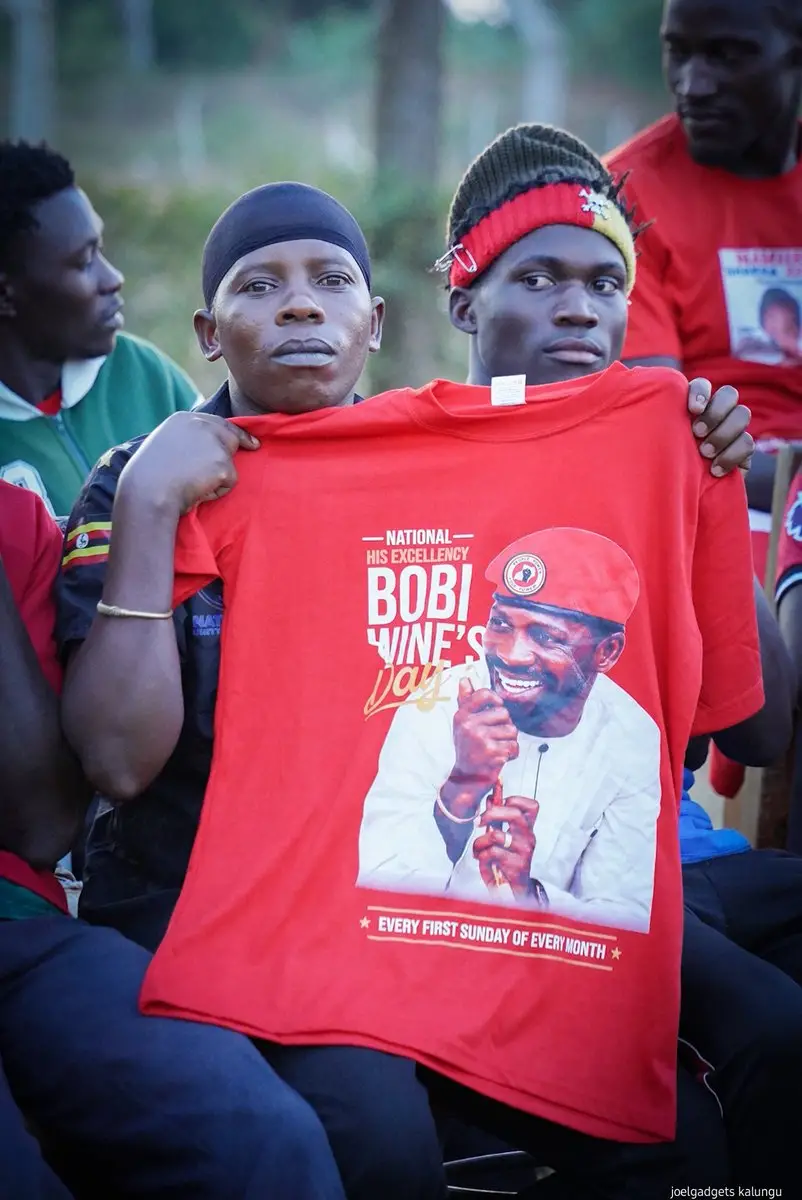
Photo : One of the NUP supporters during the recent Bobiwine Day Celebrations last Sunday.
Will NUP and the broader People Power movement continue building structures?
Will local leaders remain active?
Will young supporters continue participating in politics?
Will the movement develop leaders who can stand independently?
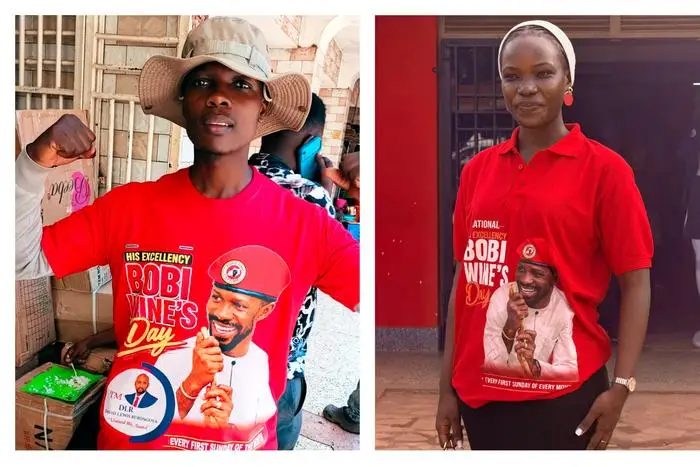
Photo : Concilor Shamim Nambasa and One of the NUP supporter donning Bobi wine T-Shirts last Sunday.
And will Bobi Wine's absence eventually strengthen the movement by forcing it to become more institutional? Those questions will determine whether the movement belongs only to Bobi Wine—or whether it has grown beyond him.
Uganda Is Constant—But Not Politically the Same
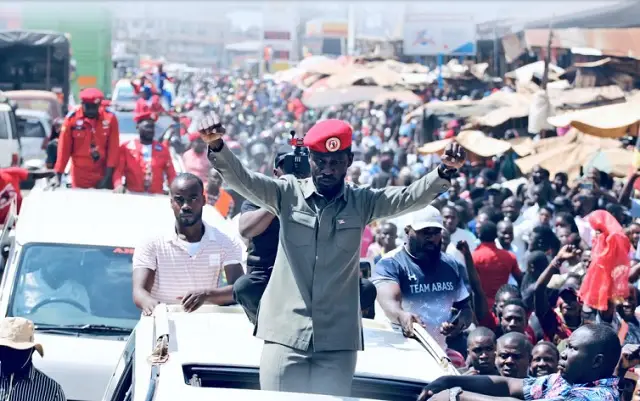
Photo : NUP President Robert Kyagulanyi Ssentamu during Campaigns
Perhaps the most balanced answer is this: Yes, Uganda continues without Bobi Wine. But Uganda's political conversation is not constant without him. His absence does not stop the country. But it changes the opposition's energy. It changes the political headlines. It changes youth mobilization. And it creates a test for the political movement he helped build.
A truly strong political movement should not collapse because its leader is absent. At the same time, a charismatic leader should not be underestimated simply because crowds are quieter for one day. The real legacy of Bobi Wine will therefore not be measured only by rallies, songs, social-media trends or celebrations. It may ultimately be measured by one question: